Advanced Cartilage Damage Treatment in Morgantown, WV
Innovative Cartilage Restoration Surgery for Joint Health
The smooth, white tissue that cushions your joints, known as articular cartilage, allows for fluid, pain-free movement. However, due to injury or wear and tear, this cartilage can become damaged, leading to pain, swelling, and locking of the joint. Unlike other tissues in the body, cartilage has a very limited ability to heal on its own. For active individuals and those suffering from persistent joint pain, this damage can be debilitating. Fortunately, advanced cartilage restoration procedures offer a way to repair damaged cartilage, relieve pain, and preserve joint function for years to come.
Since 1977, Mountainstate Orthopedic Associates (MOA) has been at the forefront of orthopedic innovation in Morgantown and North Central West Virginia. Our fellowship-trained orthopedic surgeons are experts in cutting-edge techniques for cartilage restoration. We are committed to building personal relationships with our patients, providing care that is as compassionate as it is advanced. In partnership with the state-of-the-art Orthopedic Center at Mon Health Medical Center, we offer sophisticated surgical solutions to help you return to an active, pain-free life.
If joint pain from cartilage damage is holding you back, our team can help. We pride ourselves on offering faster appointment availability than major health systems, providing prompt access to a cartilage restoration specialist. Contact us today to schedule your consultation.
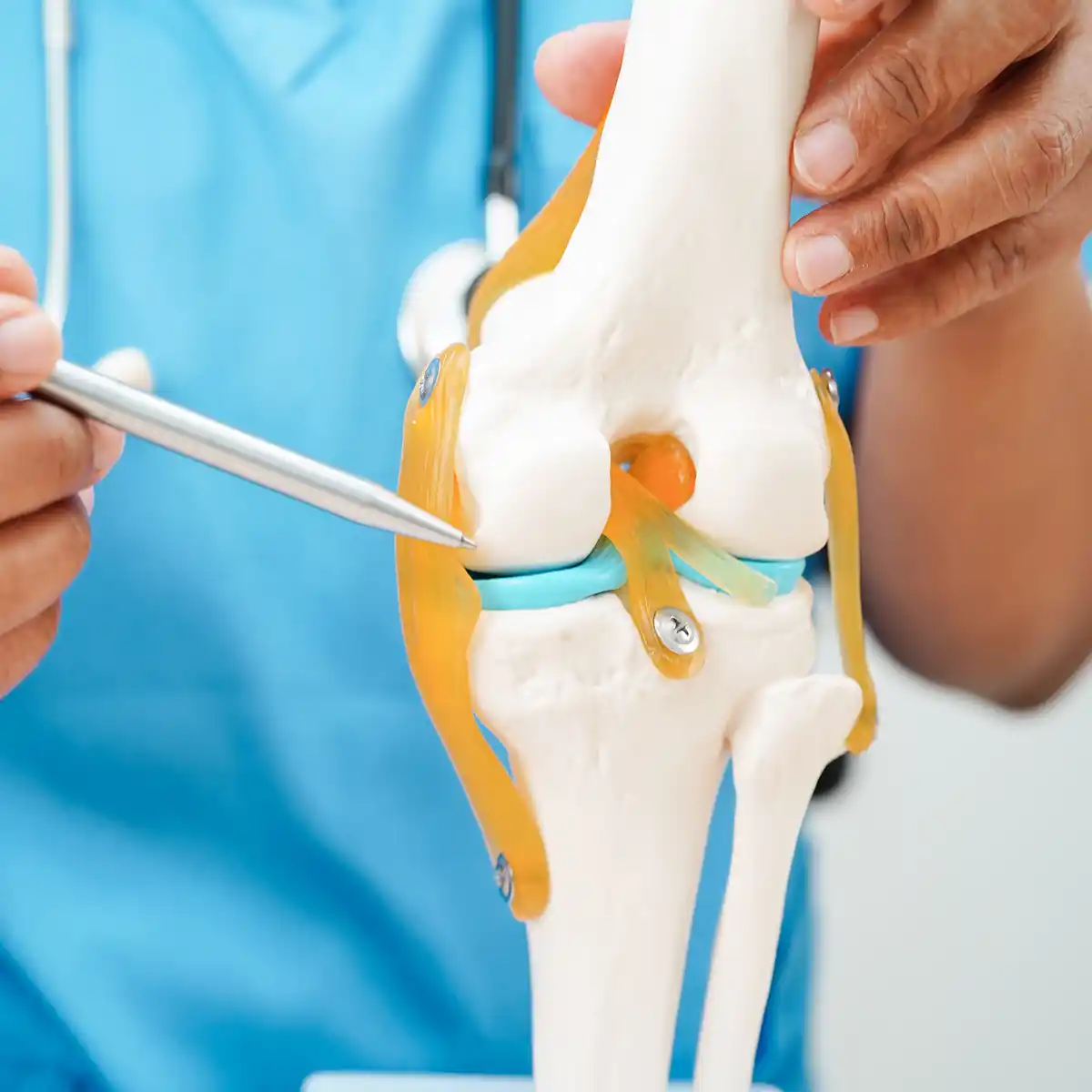
What is cartilage restoration surgery, and how does it work?
Cartilage restoration surgery encompasses a range of advanced procedures designed to repair or replace damaged articular cartilage in a joint, most commonly the knee. Since cartilage cannot heal itself, these techniques aim to stimulate the growth of new cartilage or transplant healthy cartilage to fill in the damaged area. Procedures vary widely and include microfracture, which involves creating small holes in the bone to stimulate a healing response; OATS (osteochondral autograft transfer system), where plugs of healthy cartilage and bone are moved from a non-weight-bearing part of the joint to the damaged area; and ACI (autologous chondrocyte implantation), a two-step procedure where a patient's own cartilage cells are grown in a lab and then re-implanted into the defect. The goal of each technique is to restore a smooth, durable surface to the joint, thereby reducing pain and improving function.
What conditions can cartilage restoration treat?
Cartilage restoration procedures are primarily used to treat focal chondral defects. These are specific, contained areas of cartilage damage, often caused by a traumatic injury, like a fall or a sports-related twist. This is different from the widespread cartilage loss seen in osteoarthritis. The ideal candidate for cartilage restoration is typically a younger, active patient with a distinct area of cartilage damage who experiences mechanical symptoms like locking or catching in the joint, along with pain and swelling. These procedures can treat defects in the knee, and in some cases, other joints like the ankle.
How do I know if I need cartilage restoration?
Determining if you are a candidate for cartilage restoration requires a thorough evaluation by an orthopedic surgeon. You may need this type of procedure if you have persistent joint pain, swelling, or mechanical symptoms like clicking and locking that are not caused by widespread arthritis and have not responded to conservative treatments. Your orthopedic specialist will perform a physical exam and order imaging studies, typically starting with an X-ray and followed by an MRI, which provides a detailed view of the cartilage, bone, and soft tissues inside the joint. Based on the size and location of the cartilage defect, your age, and your activity level, your surgeon will determine if you are a good candidate.
What is the recovery process like after cartilage restoration surgery?
The recovery process after cartilage restoration is highly dependent on the specific procedure performed and the location of the repair. It is often a lengthy and demanding process that requires significant commitment from the patient. Most procedures will involve a period of protected weight-bearing, often using crutches for several weeks to months, to allow the new or repaired cartilage to mature without being subjected to excessive force. Physical therapy is a critical component of a successful recovery. It begins soon after surgery and focuses on slowly restoring range of motion, and then gradually rebuilding strength around the joint. A full return to high-impact activities and sports can take anywhere from six months to over a year.
How much does cartilage restoration surgery cost?
The cost of cartilage restoration surgery can be significant and varies widely based on the specific procedure performed, your insurance coverage, and associated facility fees. Complex, multi-step procedures like ACI are generally more expensive than simpler techniques like microfracture. The total cost includes the surgeon’s fee, anesthesia, and the use of the hospital or outpatient surgery center. Because these procedures are medically necessary to preserve joint function and prevent arthritis, most insurance plans provide coverage. Our team at Mountainstate Orthopedic Associates can help you understand your benefits and provide an estimate of your potential financial responsibility.
More Questions About Cartilage Restoration
Do I need a referral to see a cartilage restoration specialist at MOA?
No, you do not need a referral to schedule an appointment with one of our orthopedic specialists. We provide direct access to care, making it easier for you to get an expert opinion on your joint pain without delay.
How quickly can I schedule an appointment for cartilage restoration?
At Mountainstate Orthopedic Associates, we are committed to providing timely care. We can typically schedule new patient consultations much more quickly than larger hospital systems, allowing you to begin your journey to recovery sooner.
What should I expect during a cartilage restoration consultation?
During your consultation, an MOA orthopedic surgeon will conduct a comprehensive evaluation, including a review of your symptoms, medical history, and activity goals. They will perform a thorough physical examination of the affected joint and review your imaging studies (X-ray, MRI). Your surgeon will discuss the findings, explain whether you are a candidate for cartilage restoration, and detail the different procedural options available to you.
Are there non-surgical options for cartilage damage?
While non-surgical options cannot repair damaged cartilage, they can be effective in managing symptoms. These treatments include activity modification to avoid painful movements, physical therapy to strengthen surrounding muscles, and anti-inflammatory medications. Injections, such as corticosteroid or viscosupplementation, can also provide temporary pain relief. These options are often used first before considering surgery.