Leading Care from Orthopedic Sports Medicine Specialists
Comprehensive Sports Medicine Treatment in Morgantown, WV
Whether you are a competitive athlete, a weekend warrior, or someone who simply enjoys an active lifestyle, a sports-related injury can be a major setback. The pain, swelling, and instability from a torn ligament or damaged cartilage can keep you on the sidelines, away from the activities you love. Sports medicine is a specialized field of orthopedics focused on the diagnosis, treatment, and prevention of injuries related to physical activity. It is not just for elite athletes; it is for anyone who wants to recover from an injury and return to movement safely and effectively. The goal is to restore function, reduce pain, and get you back in the game—stronger than before.
Since 1977, Mountainstate Orthopedic Associates (MOA) has been the trusted provider of sports medicine treatment for Morgantown and North Central West Virginia. Our fellowship-trained sports medicine specialists possess an advanced understanding of athletic injuries and the latest treatment techniques. Through our partnership with the state-of-the-art Mon Health Medical Center, we offer everything from minimally invasive arthroscopic surgery to innovative non-surgical therapies. Explore our services below to learn how we can help you achieve your recovery goals.
Appointments
Rotator Cuff Repair
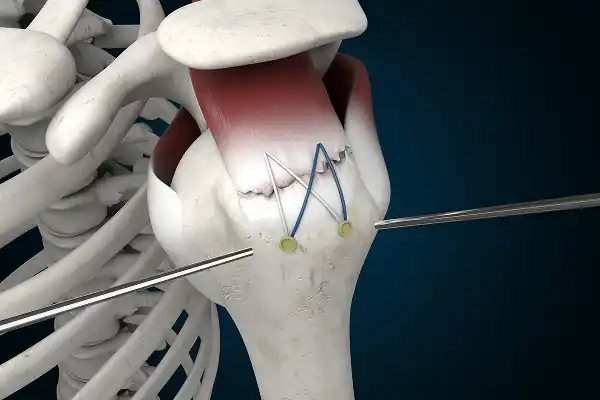
Shoulder pain can be a constant disruption, making simple actions like reaching overhead, lifting objects, or even sleeping comfortably a significant challenge. A common cause of this pain and weakness is a tear in the rotator cuff: the group of four tendons that stabilize your shoulder joint and allow you to lift and rotate your arm. Whether caused by a sudden injury or the gradual wear and tear of daily life, a torn rotator cuff can seriously impact your quality of life. While some tears respond to conservative treatments, many require surgery to reattach the tendon, relieve pain, and restore strength and function to the shoulder.
Schedule an AppointmentLearn MoreShoulder Arthroscopy
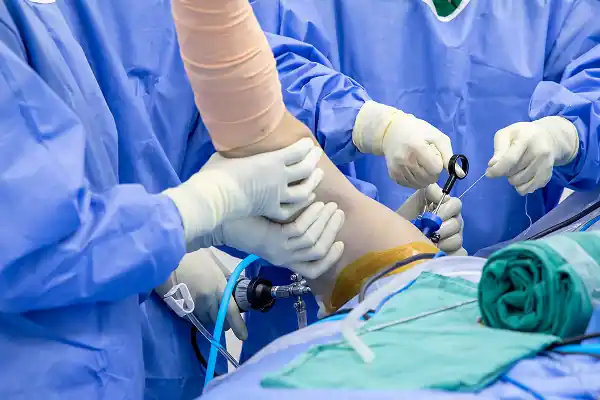
Persistent shoulder pain can make even the simplest daily tasks feel like a struggle. Whether it's reaching for a cup on a high shelf, throwing a ball, or finding a comfortable sleeping position, limited shoulder mobility affects your entire life. While many shoulder issues can be resolved with non-invasive treatments, some conditions require a more direct approach. Shoulder arthroscopy is a state-of-the-art, minimally invasive surgical procedure that allows orthopedic surgeons to visualize, diagnose, and treat problems inside the shoulder joint with high precision. By using small incisions and specialized technology, this technique offers effective relief with less pain and a faster recovery than traditional open surgery.
Schedule an AppointmentLearn MoreShoulder Instability Surgery
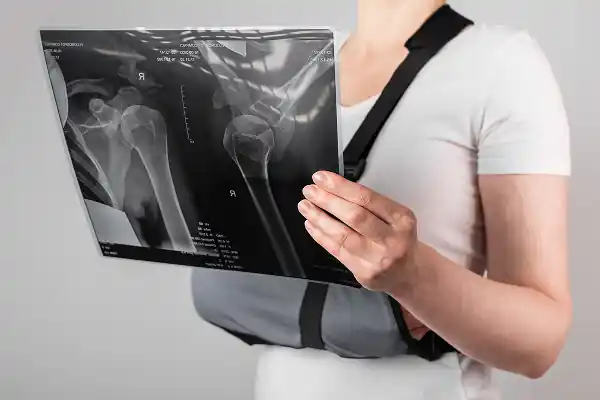
That unsettling feeling of your shoulder slipping, popping, or threatening to "give out" is a hallmark of shoulder instability. This condition, where the head of the upper arm bone fails to stay centered in the shoulder socket, can cause significant pain and apprehension. For athletes and active individuals, it can mean a loss of confidence and performance. For others, it creates a constant fear of dislocation during simple daily movements. When physical therapy and strengthening exercises fail to restore stability, surgical intervention offers a reliable solution. Shoulder instability surgery is designed to repair and tighten the ligaments and tissues that hold the joint in place, providing a stable foundation for a return to an active, pain-free life.
Schedule an AppointmentLearn MoreACL Reconstruction
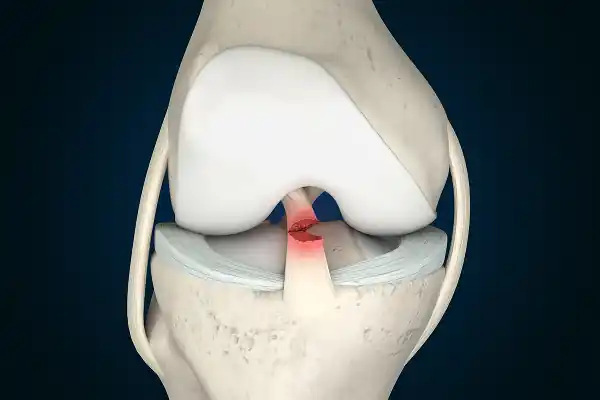
A popping sound in the knee followed by instability and pain can be a devastating blow, especially for athletes. This is the classic sign of a tear in the Anterior Cruciate Ligament (ACL), one of the key ligaments that helps stabilize your knee joint. An ACL injury can make it difficult to pivot, cut, or even walk without your knee giving way, significantly affecting your ability to participate in sports and daily activities. Seeking care from an experienced ACL specialist is the first step toward getting back in the game.
Schedule an AppointmentLearn MoreKnee Arthroscopy
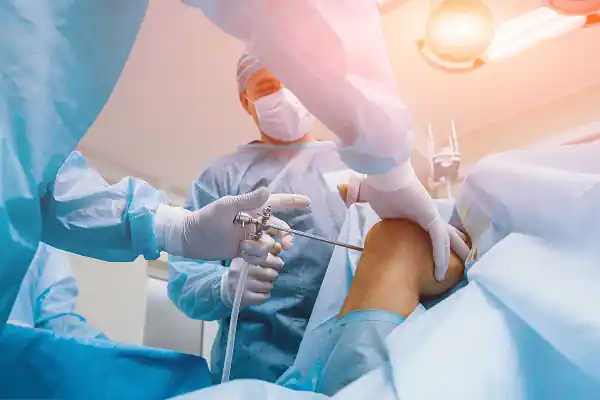
Knee pain from a torn meniscus, ligament injury, or damaged cartilage can significantly limit your ability to walk, work, and enjoy your favorite activities. While many knee problems can be managed with non-surgical treatments, some conditions require a closer look. Knee arthroscopy is a minimally invasive surgical procedure that allows an orthopedic surgeon to see inside your knee joint, accurately diagnose the problem, and, in most cases, treat it at the same time. Using a tiny camera and specialized instruments, this technique avoids the large incisions of traditional open surgery, leading to less pain, a faster recovery, and a quicker return to your active life.
Schedule an AppointmentLearn MoreTendon Repair
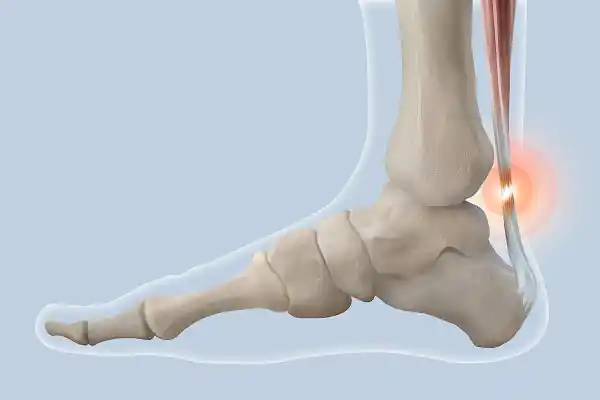
A sudden "pop" during a recreational sport or a sharp pain from lifting a heavy object can sometimes signal a serious injury: a torn tendon. Tendons are the strong, fibrous cords that connect your muscles to your bones, and when they tear, the result is pain, weakness, and a significant loss of function. Whether it’s a ruptured Achilles tendon that makes walking impossible, a torn biceps tendon that weakens your arm, or a damaged rotator cuff tendon in the shoulder, these injuries often do not heal on their own. Tendon repair surgery is a precise procedure designed to reattach the torn tendon to the bone, restoring the vital connection that allows you to move.
Schedule an AppointmentLearn MoreCartilage Restoration
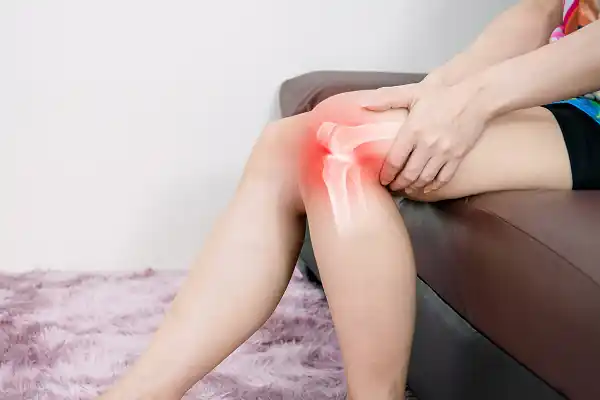
The smooth, white tissue that cushions your joints, known as articular cartilage, allows for fluid, pain-free movement. However, due to injury or wear and tear, this cartilage can become damaged, leading to pain, swelling, and locking of the joint. Unlike other tissues in the body, cartilage has a very limited ability to heal on its own. For active individuals and those suffering from persistent joint pain, this damage can be debilitating. Fortunately, advanced cartilage restoration procedures offer a way to repair damaged cartilage, relieve pain, and preserve joint function for years to come.
Schedule an AppointmentLearn MoreMeniscal Surgery
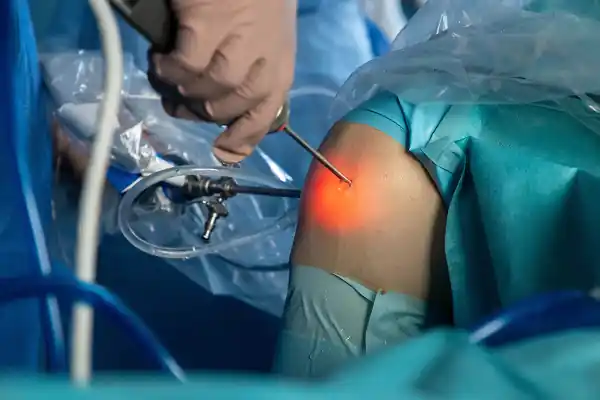
A sudden twist of the knee or even the simple act of squatting can lead to a tear in the meniscus, the C-shaped cartilage that acts as a crucial shock absorber between your thighbone and shinbone. A torn meniscus can cause significant pain, swelling, and a sensation of your knee locking or catching, making it difficult to walk, run, or even stand comfortably. While some minor tears can heal with rest and physical therapy, many require surgical intervention to restore knee function and prevent further damage. Meniscal surgery is a minimally invasive procedure designed to either repair the torn cartilage or trim away the damaged portion, providing lasting relief and getting you back to an active life.
Schedule an AppointmentLearn MoreTennis Elbow Surgery
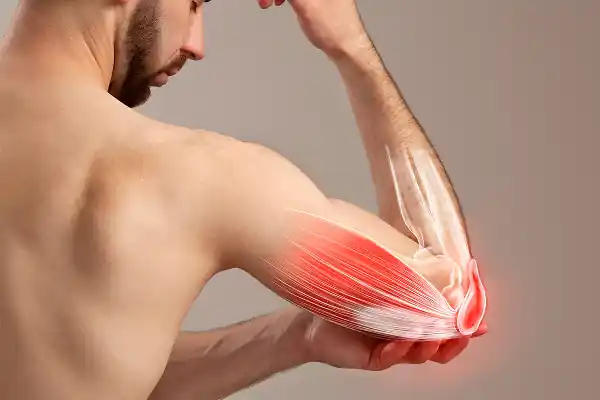
A sharp, burning pain on the outside of your elbow that radiates down your forearm can make even the simplest tasks — like gripping a coffee mug, turning a doorknob, or shaking hands — unbearably painful. This condition, known as lateral epicondylitis or "tennis elbow," is caused by the degeneration of the tendons that anchor your forearm muscles to the bony bump on your outer elbow. While often linked to racket sports, it frequently affects workers, painters, and anyone who performs repetitive arm motions. When rest, ice, and bracing fail to provide relief, tennis elbow surgery offers a definitive solution to remove the damaged tissue and restore pain-free movement.
Schedule an AppointmentLearn MoreHow to Prevent Sports Injuries
- Warm up properly before any physical activity.
- Alternate exercising different muscle groups and exercise every other day.
- Cool down properly after exercise or sports.
- Stretching exercises can improve the ability of muscles to contract and perform, reducing the risk for injury.
- Shoe support may correct certain foot problems that can lead to injury.
- If you do sustain a sports injury, make sure you participate in adequate rehabilitation before resuming strenuous activity.
Frequently Asked Questions
What conditions can sports medicine treat?
Our sports medicine specialists treat a wide array of injuries affecting athletes of all levels and ages. The most common conditions involve the knee and shoulder. In the knee, this includes tears of the Anterior Cruciate Ligament (ACL), meniscus tears, and cartilage damage. For the shoulder, we commonly treat rotator cuff tears, shoulder dislocations and instability, and labral tears (SLAP tears). Beyond the knee and shoulder, our experts also manage other common sports injuries such as ankle sprains and instability, Achilles tendon ruptures, stress fractures, and muscle strains. The focus extends beyond just acute injuries; we also treat chronic overuse conditions like tendonitis (e.g., tennis elbow, patellar tendonitis) and bursitis, which can develop from repetitive stress over time.
What Is Sports Medicine, And How Does It Work?
Sports medicine is a branch of medicine that deals with physical fitness and the treatment and prevention of injuries related to sports and exercise. While it covers a wide range of care, orthopedic sports medicine focuses specifically on the musculoskeletal system—the bones, joints, ligaments, tendons, and muscles. An orthopedic sports medicine specialist is an orthopedic surgeon who has completed additional fellowship training in treating athletic injuries. This expertise allows them to provide comprehensive care that includes accurate diagnosis, non-operative treatments like physical therapy and injections, and advanced surgical repair when necessary. The core principle of sports medicine is to provide patient-centered care that not only heals the injury but also considers the patient's specific activity goals, helping them return to their sport or hobby as safely and quickly as possible.
How Do I Know If I Need Sports Medicine Treatment?
You should consider seeking sports medicine treatment if you have sustained an injury during physical activity that results in significant pain, swelling, or loss of function. Key signs that you need an expert evaluation include hearing or feeling a "pop" at the time of injury, being unable to put weight on a limb, or experiencing a sensation of joint instability or "giving way." You should also see a specialist if you have a nagging pain that worsens with activity and does not improve with rest. Even if you do not have a specific injury, a sports medicine physician can help with performance issues or provide guidance on injury prevention. If you are struggling to return to your desired activity level due to a musculoskeletal issue, a consultation with a sports medicine specialist is the best way to get an accurate diagnosis and a clear path toward recovery.
What is the recovery process like after sports medicine treatment?
The recovery process is tailored to your specific injury and the treatment you receive. For non-surgical treatments, recovery may involve a period of rest and activity modification combined with a dedicated physical therapy program to restore strength and flexibility. For surgical procedures like an ACL reconstruction or rotator cuff repair, recovery is more structured. It typically begins with a period of immobilization in a brace or sling to protect the surgical repair. This is followed by a comprehensive physical therapy program that progresses in phases. The initial phase focuses on controlling pain and swelling while restoring gentle range of motion. Subsequent phases focus on regaining full motion, rebuilding strength, and finally, reintroducing sport-specific movements. The timeline can range from a few weeks for minor issues to six months or more for major ligament reconstructions.
How much does sports medicine treatment cost?
The cost of sports medicine treatment depends on the services you require. Non-surgical care like consultations, imaging (X-rays, MRI), and injections will have different costs than surgical procedures. For surgery, the total cost includes the surgeon’s fee, anesthesiologist’s fee, and facility charges. Because sports injuries are medical conditions that cause pain and functional impairment, treatment is considered medically necessary and is covered by most health insurance plans. The experienced financial team at Mountainstate Orthopedic Associates can help you understand your insurance benefits and provide a detailed estimate for any recommended procedures, ensuring you are fully informed about any potential out-of-pocket expenses.