Expert ACL Reconstruction Surgery in Morgantown, WV
Advanced ACL Surgery Procedures to Restore Your Stability
A popping sound in the knee followed by instability and pain can be a devastating blow, especially for athletes. This is the classic sign of a tear in the Anterior Cruciate Ligament (ACL), one of the key ligaments that helps stabilize your knee joint. An ACL injury can make it difficult to pivot, cut, or even walk without your knee giving way, significantly affecting your ability to participate in sports and daily activities. Seeking care from an experienced ACL specialist is the first step toward getting back in the game.
For decades, Mountainstate Orthopedic Associates (MOA) has provided leading-edge orthopedic care to the communities of Morgantown and North Central West Virginia. Since 1977, our fellowship-trained orthopedic surgeons have built lasting relationships with patients, offering personalized treatment plans for complex injuries. We specialize in advanced ACL reconstruction surgery, performing procedures in the state-of-the-art Orthopedic Center at Mon Health Medical Center. Our physicians are committed to guiding you from diagnosis through recovery with expert care.
If you suspect an ACL injury, getting a prompt and accurate diagnosis is critical. At MOA, we can often schedule appointments much faster than larger hospital systems, giving you timely access to the care you need. Contact us to schedule a consultation with an ACL specialist today.
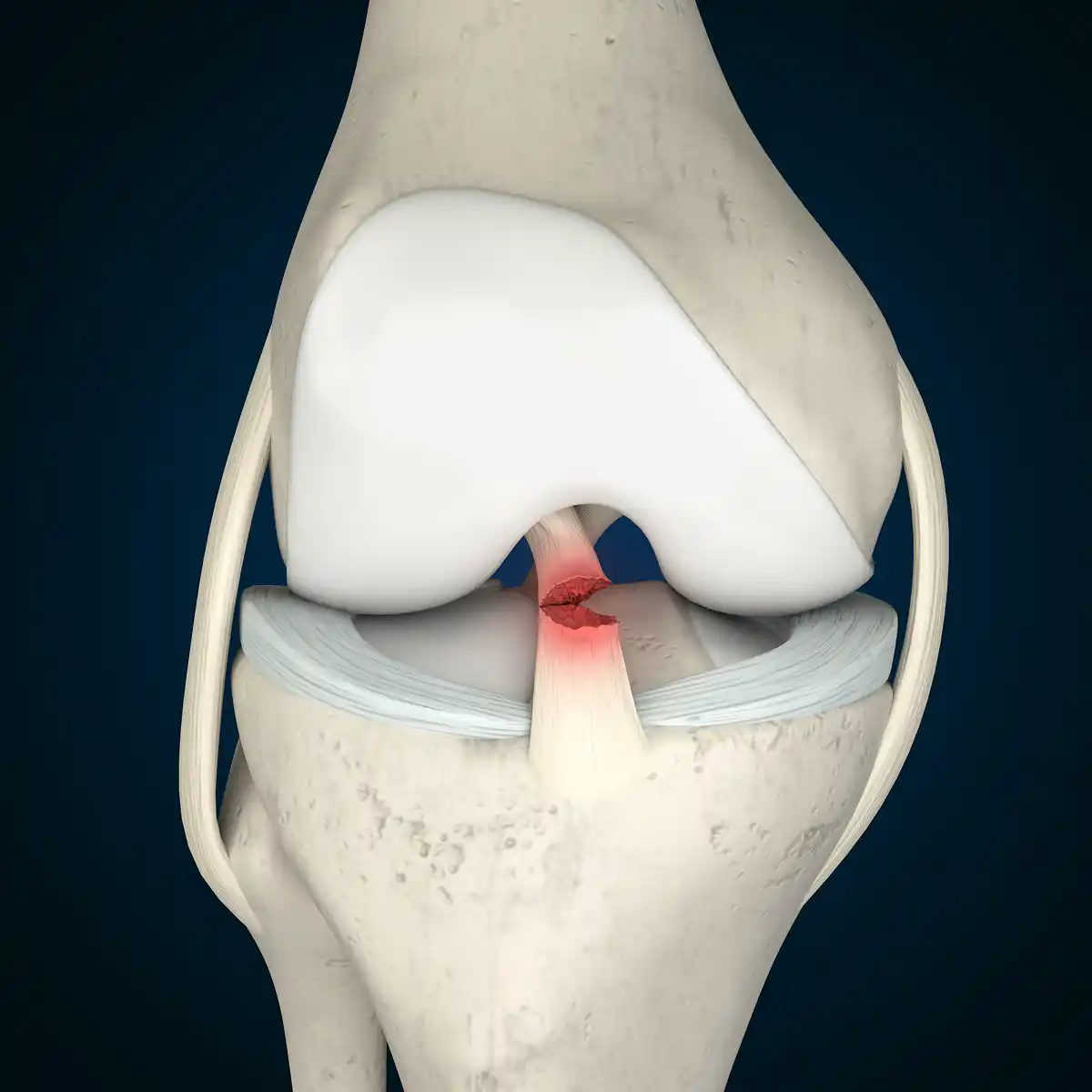
What is ACL reconstruction surgery, and how does it work?
ACL reconstruction is a surgical procedure to replace a torn anterior cruciate ligament. Unlike other ligaments, a completely torn ACL does not heal on its own. The surgery involves removing the damaged ligament and replacing it with a new piece of tissue, called a graft. This graft can be an autograft, which is tissue taken from another part of your own body (like the patellar tendon or hamstring), or an allograft, which is tissue from a deceased donor. The graft is passed through bone tunnels and secured in place, creating a new ligament to stabilize the knee. At MOA, our orthopedic surgeons are experts in these techniques, helping restore knee function for athletes and active individuals of all ages.
What are the types of ACL surgery?
There are several types of grafts that can be used for an ACL reconstruction, and the best choice depends on your age, activity level, and specific injury. The main types include patellar tendon autografts, hamstring tendon autografts, and quadriceps tendon autografts, all of which use your own tissue. Another common option is an allograft, which uses donated tissue. Each type has its own advantages and considerations regarding recovery time and post-operative strength. Our ACL specialists will discuss these options with you in detail, helping you make an informed decision based on your personal goals and lifestyle.
How do I know if I need ACL surgery?
The decision to have ACL surgery depends on several factors, including the severity of your injury and your desired activity level. Symptoms of a torn ACL often include a "popping" sensation at the time of injury, significant swelling, knee instability (a feeling of the knee "giving out"), and loss of range of motion. While some older or less active individuals may manage an ACL tear with non-surgical treatments like physical therapy, surgery is often recommended for athletes or those who wish to return to activities involving pivoting and cutting. A thorough examination by an orthopedic surgeon, often including an MRI, is necessary to confirm the diagnosis and determine the best course of treatment for your knee.
What is the recovery process like after ACL reconstruction?
Recovery from ACL reconstruction is a multi-phase process that requires dedication to a structured rehabilitation program. Immediately after surgery, the focus is on reducing swelling and pain while regaining range of motion. You will begin physical therapy shortly after your procedure. As healing progresses, the focus shifts to rebuilding strength in the muscles surrounding the knee, particularly the quadriceps and hamstrings. While many people return to most daily activities within a few months, a full return to high-impact sports typically takes nine months to a year or more. Our team at MOA will create a personalized recovery plan and work closely with you to ensure a safe and successful return to your activities.
How much does ACL reconstruction surgery cost?
The cost of ACL reconstruction surgery can vary based on several factors, including your specific insurance plan, the type of graft used, and the facility where the surgery is performed. The total cost typically includes the surgeon’s fee, anesthesiologist’s fee, and hospital or outpatient surgery center charges. Most health insurance plans cover a significant portion of the cost for medically necessary ACL surgery. Our office staff at Mountainstate Orthopedic Associates can assist you in understanding your insurance coverage and any potential out-of-pocket expenses before you proceed with surgery. We are committed to providing transparent information to help you plan for your care.
More Questions About ACL Surgery
Do I need a referral to see an ACL specialist at MOA?
No, you do not need a referral to schedule an appointment with one of our orthopedic surgeons. We make it easy for you to access specialized care for your knee injury without unnecessary delays.
How quickly can I schedule an appointment for ACL reconstruction?
At Mountainstate Orthopedic Associates, we prioritize prompt care for acute injuries like ACL tears. We are typically able to schedule appointments much more quickly than larger health systems, ensuring you receive a timely evaluation.
What should I expect during an ACL surgery consultation?
During your consultation, one of our fellowship-trained ACL specialists will review your medical history, discuss how the injury occurred, and perform a physical examination of your knee to assess its stability and range of motion. We may also review any imaging, like an X-ray or MRI. Your surgeon will confirm the diagnosis and discuss all treatment options, both surgical and non-surgical, to create a plan that aligns with your goals.
Are there non-surgical options for ACL injuries?
Yes, non-surgical treatment may be an option for some patients. This is typically reserved for individuals with partial tears or those who do not plan to return to high-demand activities. Treatment involves a comprehensive physical therapy program to strengthen the muscles around the knee and improve stability. However, for complete tears in active individuals, surgery is often the most reliable path to restoring full function.