Advanced Regenerative Orthopedic Care in Morgantown, WV
Biologic Treatments: Harnessing Your Body's Power to Heal
For years, the standard options for treating joint pain and injury were limited to medication, physical therapy, or surgery. But as medical science advances, a new frontier has opened: biologic treatments. Also known as regenerative medicine, this exciting field focuses on repairing damaged tissue rather than just masking symptoms or replacing joints. Whether you are an athlete trying to recover from a tendon injury or an active adult suffering from early arthritis, biologic treatments offer a way to stimulate your body's own natural healing processes.
Since 1977, Mountainstate Orthopedic Associates (MOA) has been at the forefront of orthopedic care in North Central West Virginia. Our fellowship-trained specialists are dedicated to offering the most advanced, evidence-based treatments available. Through our partnership with Mon Health Medical Center, we provide cutting-edge biologic therapies designed to reduce pain, improve function, and potentially delay or eliminate the need for major surgery. We understand that every patient is unique, and we are committed to helping you explore every option to restore your mobility and quality of life.
Appointments
PRP Injections
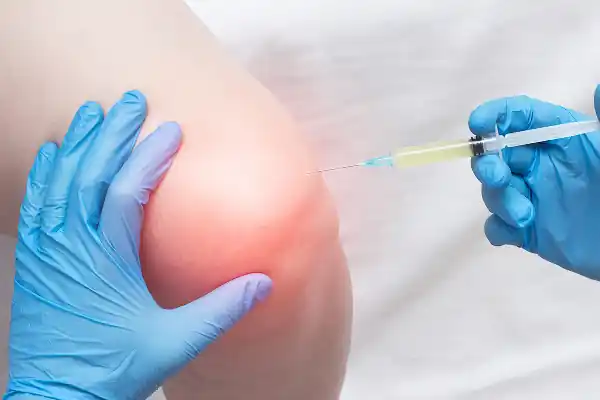
Chronic joint pain and tendon injuries can be frustratingly persistent, often sidelining athletes and active individuals for months. When traditional treatments like rest, medication, and physical therapy fail to provide relief, many patients fear surgery is their only remaining option. However, advancements in regenerative medicine now offer a powerful alternative. Platelet Rich Plasma (PRP) therapy harnesses your body's own natural healing potential to accelerate tissue repair and reduce inflammation. By concentrating the healing factors found in your own blood, PRP injections can help jumpstart the recovery process for stubborn injuries, helping you return to the activities you love without the downtime of surgery.
Schedule an AppointmentLearn MoreCartilage Restoration Surgery
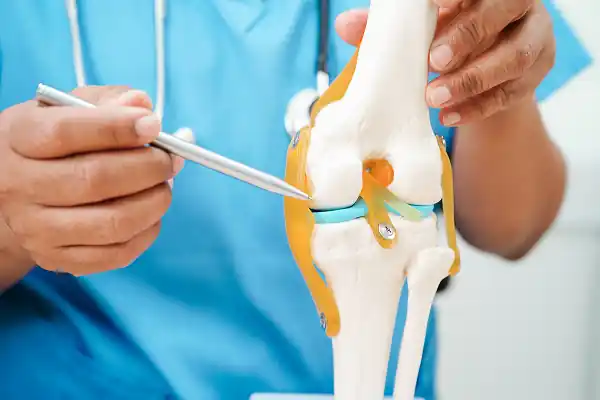
The smooth, white tissue that cushions your joints, known as articular cartilage, allows for fluid, pain-free movement. However, due to injury or wear and tear, this cartilage can become damaged, leading to pain, swelling, and locking of the joint. Unlike other tissues in the body, cartilage has a very limited ability to heal on its own. For active individuals and those suffering from persistent joint pain, this damage can be debilitating. Fortunately, advanced cartilage restoration procedures offer a way to repair damaged cartilage, relieve pain, and preserve joint function for years to come.
Schedule an AppointmentLearn MoreFrequently Asked Questions
How do I know if I am a candidate for biologic treatments?
Determining if you are a candidate for biologic treatments requires a comprehensive evaluation by an orthopedic specialist. Generally, these treatments are best suited for patients who have exhausted conservative options—such as rest, physical therapy, and anti-inflammatory medications—but are not yet ready for, or do not require, major joint replacement surgery.
Ideal candidates are typically those with mild to moderate conditions. For example, biologic injections are often most effective for early arthritis rather than "bone-on-bone" severe arthritis, where joint replacement is usually the only viable solution. Similarly, they work best for partial tendon tears or chronic tendonosis rather than complete ruptures that require surgical reattachment. During your consultation at MOA, our specialists will review your medical history, perform a physical exam, and analyze imaging studies (like X-rays or MRIs) to determine if your specific injury is likely to respond to regenerative therapy. We believe in honest, transparent care and will only recommend these treatments if we believe they offer you a genuine benefit.
What is the recovery process like after biologic treatments?
One of the major advantages of biologic treatments, particularly injections like PRP, is the minimal downtime compared to surgery. However, because these treatments work by stimulating a healing response, the recovery process is different from a steroid injection. Steroids provide immediate anti-inflammatory relief, but biologics often cause a temporary increase in inflammation as the healing cascade begins.
For the first few days after an injection, you may experience mild soreness or swelling at the site. We typically advise patients to avoid anti-inflammatory medications (like ibuprofen) for a short period, as these can inhibit the desired healing effect. You may need to rest the area or modify your activities for a few weeks. Improvement is not immediate; it is gradual. Most patients begin to feel significant relief within 4 to 6 weeks as the tissue repairs itself, with continued improvement over 3 to 6 months. For surgical procedures like cartilage restoration, the recovery is more involved, often requiring a period of non-weight bearing and a structured physical therapy rehabilitation program similar to other joint surgeries.
What Are Biologic Treatments, and How Do They Work?
Biologic treatments, or orthobiologics, are substances that orthopedic surgeons use to help injuries heal more quickly and effectively. They are derived from natural sources, often from the patient's own body (autologous) or sometimes from donor tissue (allograft). The fundamental principle behind these treatments is to concentrate the body's natural healing factors and deliver them directly to the site of injury.
When you get a cut, your body sends platelets and growth factors to the area to clot the blood and begin tissue repair. Biologic treatments amplify this natural response. For example, in Platelet-Rich Plasma (PRP) therapy, we draw a small amount of your blood, spin it in a centrifuge to isolate the platelets, and inject that concentrated solution into a damaged tendon or joint. This flood of growth factors signals the body to accelerate repair and reduce inflammation. Other treatments, like cartilage restoration, involve harvesting healthy cartilage cells to patch defects in the joint surface. These therapies work synergistically with your biology to restore structural integrity to damaged tissues.
What Conditions Can Biologic Treatments Address?
Biologic treatments are versatile and can be used to treat a variety of acute and chronic musculoskeletal conditions. They are particularly effective for soft tissue injuries that are slow to heal due to poor blood supply. Common applications include:
- Chronic Tendonitis: Conditions like tennis elbow (lateral epicondylitis), golfer's elbow, and patellar tendonitis (jumper's knee) often respond well to biologic interventions.
- Ligament and Muscle Injuries: Partial tears of ligaments (like the MCL in the knee) or muscle strains can heal faster with regenerative support.
- Mild to Moderate Osteoarthritis: For patients with early-stage arthritis in the knee, shoulder, or hip, biologic injections can reduce pain and stiffness, potentially delaying the progression of the disease.
- Cartilage Defects: Focal damage to the articular cartilage (the smooth coating on the ends of bones) caused by injury or trauma can be treated with restoration techniques to prevent the onset of widespread arthritis.
- Augmenting Surgery: Surgeons often use biologics during procedures like rotator cuff repairs or ACL reconstructions to improve the healing environment and potentially enhance the strength of the repair.
How much do biologic treatments cost?
The cost of biologic treatments varies significantly depending on the specific type of therapy and whether it is performed in the office or the operating room. Currently, many insurance plans classify certain regenerative treatments, such as PRP injections, as "investigational," meaning they may not be covered and would require an out-of-pocket payment. However, other procedures, particularly surgical cartilage restoration techniques, are often covered by insurance when medically necessary.
During your consultation, our financial counselors will work with you to determine your coverage eligibility. We will provide a clear, upfront estimate of any potential costs so you can make an informed financial decision. At MOA, we strive to make these advanced therapies as accessible as possible, offering competitive pricing for non-covered services because we believe in their value for patient recovery.