Cutting-Edge Platelet Rich Plasma Injection Therapy in Morgantown, WV
Regenerative PRP Injections Near Me for Natural Healing
Chronic joint pain and tendon injuries can be frustratingly persistent, often sidelining athletes and active individuals for months. When traditional treatments like rest, medication, and physical therapy fail to provide relief, many patients fear surgery is their only remaining option. However, advancements in regenerative medicine now offer a powerful alternative. Platelet Rich Plasma (PRP) therapy harnesses your body's own natural healing potential to accelerate tissue repair and reduce inflammation. By concentrating the healing factors found in your own blood, PRP injections can help jumpstart the recovery process for stubborn injuries, helping you return to the activities you love without the downtime of surgery.
Since 1977, Mountainstate Orthopedic Associates (MOA) has been at the forefront of orthopedic care in Morgantown and North Central West Virginia. Our team of fellowship-trained specialists is dedicated to offering the latest evidence-based treatments, including advanced PRP therapy. As a trusted PRP specialist, we provide personalized care plans tailored to your specific needs, whether you are a competitive athlete or simply want to enjoy your daily life without pain. Through our partnership with Mon Health Medical Center, we combine decades of clinical expertise with state-of-the-art facilities to deliver safe and effective regenerative treatments.
If you are looking for innovative solutions for your pain, MOA offers faster access to specialized care than many large health systems.
What are PRP injections, and how do they work?
PRP injections, or Platelet Rich Plasma therapy, act as a biological booster shot for your body's healing processes. The procedure begins with a simple blood draw from your arm, similar to a standard lab test. This blood is then placed in a centrifuge, a machine that spins it at high speeds to separate its components. The goal is to isolate and concentrate the platelets: blood cells best known for clotting, but which are also packed with hundreds of growth factors that play a critical role in healing injuries.
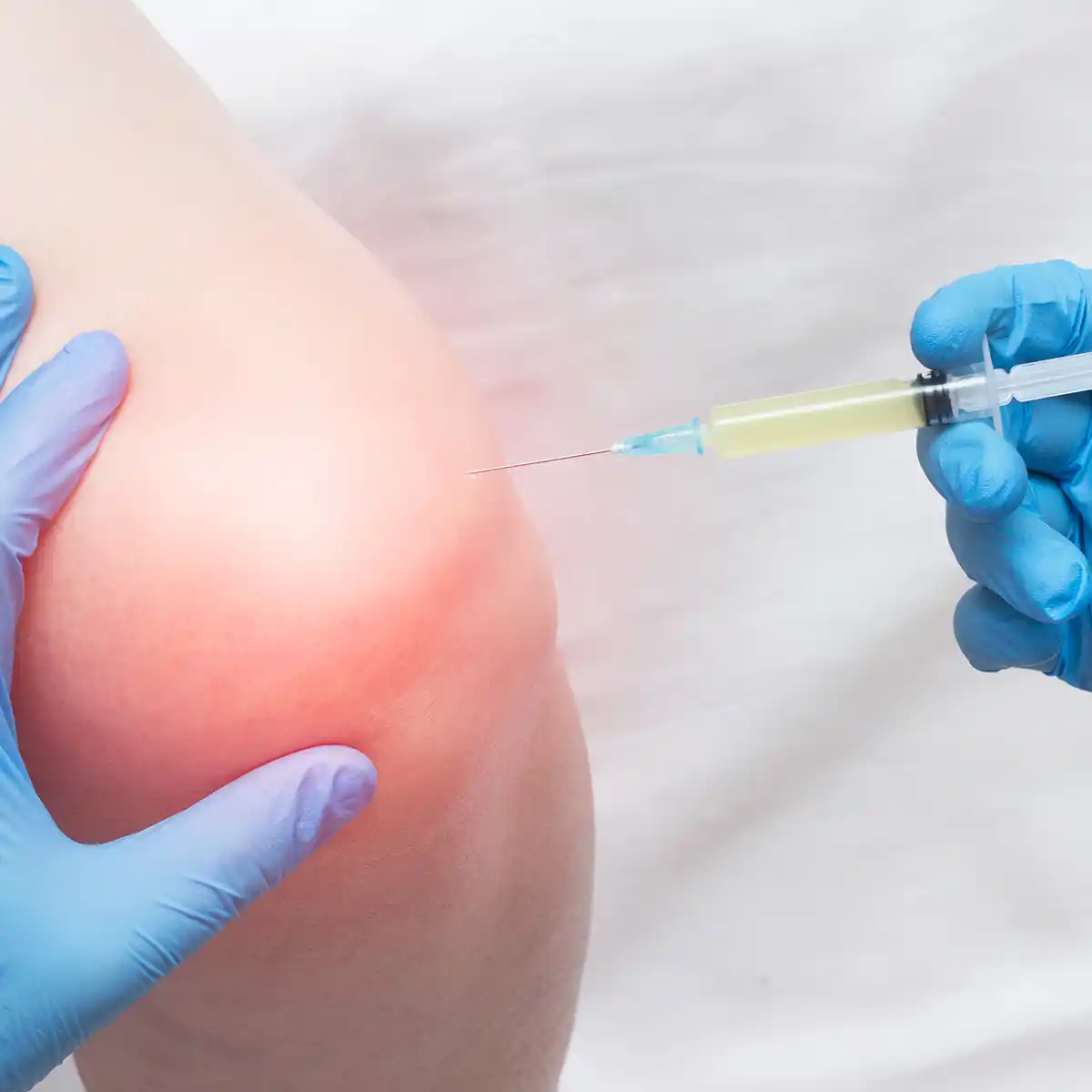
This resulting "platelet-rich" plasma contains 5 to 10 times the concentration of growth factors found in normal blood. Your orthopedic specialist then injects this concentrated solution directly into the injured tissue, such as a damaged tendon or an arthritic joint. Once injected, the platelets release their growth factors, which signal the body to recruit reparative cells to the site. This process stimulates tissue regeneration, reduces inflammation, and accelerates the healing of damaged tendons, ligaments, muscles, and joints. It is a natural way to treat injuries using your body's own biology.
What conditions can PRP injections treat?
PRP injections are a versatile treatment option for a wide range of orthopedic conditions, particularly those involving soft tissues and joints. They are highly effective for chronic tendon injuries (tendinosis) that have been resistant to other treatments. Common applications include treating tennis elbow (lateral epicondylitis), golfer's elbow, rotator cuff tendonitis in the shoulder, and patellar tendonitis ("jumper's knee").
PRP is also increasingly used to manage osteoarthritis, particularly in the knee, hip, and shoulder, helping to reduce pain and improve joint function. For foot and ankle issues, a PRP injection for foot pain can target conditions like plantar fasciitis and Achilles tendonitis. Additionally, PRP injections for wrist pain and hand issues, such as thumb arthritis or ligament strains, have shown promising results. It is also used to speed up the healing of acute sports injuries like pulled hamstring muscles or ligament sprains.
How do I know if I need PRP treatment?
You may be a candidate for PRP treatment if you are suffering from chronic tendon pain or mild-to-moderate osteoarthritis that affects your daily activities. Typically, PRP is recommended when conservative treatments—such as rest, physical therapy, bracing, and anti-inflammatory medications—have failed to provide adequate relief. Ideally, it is considered before resorting to more invasive options like surgery.
If you have a nagging injury that simply won't heal, or if you are looking for a natural alternative to steroid injections (which can sometimes weaken tissue over time), PRP might be the right choice. An evaluation with a PRP specialist at MOA is the best way to determine if this therapy suits your condition. Your doctor will review your medical history, perform a physical exam, and may use ultrasound or MRI imaging to pinpoint the injury and assess whether PRP is likely to be effective for you.
What is the recovery process like after PRP injections?
The recovery process after a PRP injection is generally minimal compared to surgery, but it does require a brief period of rest. Because PRP works by stimulating an inflammatory healing response, you may experience some increased pain, stiffness, or swelling at the injection site for the first few days. This is normal and indicates the healing process has begun. Your doctor may advise you to avoid anti-inflammatory medications (like ibuprofen) for a week or two before and after the procedure, as these can interfere with the healing response.
Most patients can return to light daily activities immediately, but should avoid strenuous exercise or heavy loading of the injured area for a few weeks. A follow-up appointment is usually scheduled to monitor your progress. Physical therapy often begins a few weeks after the injection to help guide the remodeling of the tissue as it heals. While some patients feel relief within a few weeks, the full benefits of tissue repair typically develop over several months.
How much do PRP injections cost?
The cost of a PRP injection depends on several factors, including the number of injections required and the specific area being treated. It is important to note that while PRP is an advanced and effective treatment, it is currently considered "investigational" by most insurance companies and Medicare. This means that, in most cases, the cost is not covered by insurance and will be an out-of-pocket expense.
However, many patients view it as a valuable investment in their health to avoid the higher costs, risks, and downtime associated with surgery. The administrative team at Mountainstate Orthopedic Associates can provide you with clear pricing information before your procedure so you can make an informed financial decision. We strive to make our cutting-edge treatments as accessible as possible to our community.
More Questions About PRP Therapy
Do I need a referral to see a PRP specialist at MOA?
No, you do not need a referral to schedule an appointment with our specialists to discuss PRP therapy. We offer direct access to our expert team, allowing you to explore this regenerative option without unnecessary delays.
How quickly can I schedule an appointment for PRP injections?
At Mountainstate Orthopedic Associates, we prioritize patient access. We can typically schedule consultations for PRP therapy much more quickly than large hospital systems, helping you start your recovery journey sooner.
What should I expect during a PRP injection consultation?
During your consultation, an orthopedic specialist will review your injury history and previous treatments. They will perform a physical exam and may review imaging studies. Your doctor will explain the science behind PRP, discuss realistic expectations for your specific condition, and determine if you are a good candidate for the procedure.
What are the risks of PRP injections?
Because PRP is made from your own blood, there is virtually no risk of an allergic reaction or rejection. The risks are minimal and are similar to any injection, including slight bleeding, bruising, infection at the injection site, or a temporary increase in pain. Our experienced providers use sterile techniques and often utilize ultrasound guidance to ensure precise placement, maximizing safety and effectiveness.