Expert Care from Orthopedic Hand and Wrist Specialists
Advanced Hand and Wrist Surgery in Morgantown, WV
Your hands and wrists are essential tools for interacting with the world. From buttoning a shirt and typing an email to gripping a steering wheel or holding a grandchild, these complex structures allow you to perform countless daily tasks. When injury, arthritis, or nerve compression compromises their function, it can feel like losing your independence. Persistent pain, numbness, tingling, or stiffness in the hand and wrist can make even simple movements impossible. While splinting, therapy, and medication are effective for many issues, some conditions require surgical intervention to restore dexterity and relieve pain. Hand and wrist surgery offers precise solutions to repair damaged tissues, release compressed nerves, and reconstruct painful joints.
Since 1977, Mountainstate Orthopedic Associates (MOA) has been the premier provider of specialized orthopedic care in Morgantown and North Central West Virginia. Our fellowship-trained hand and wrist surgeons possess deep expertise in the delicate anatomy of the upper extremity. We are dedicated to delivering compassionate, patient-centered care that prioritizes your unique functional goals. Through our partnership with the state-of-the-art Mon Health Medical Center, we utilize advanced surgical techniques to ensure the best possible outcomes. Explore our specialized services below to see how we can help you regain the use of your hands.
Contact us to schedule an appointment with one of our physicians.
Appointments
Carpal Tunnel Release

The tingling, numbness, and weakness in your hand and wrist can do more than just disrupt your sleep; it can make simple, everyday tasks feel impossible. These are the hallmark symptoms of carpal tunnel syndrome, a common condition caused by pressure on the median nerve as it passes through a narrow passageway in your wrist called the carpal tunnel. When wrist splints and other conservative treatments no longer manage the pain and dysfunction, finding a lasting solution is essential to regaining the use of your hand.
Schedule an AppointmentLearn MoreCubital Tunnel Release
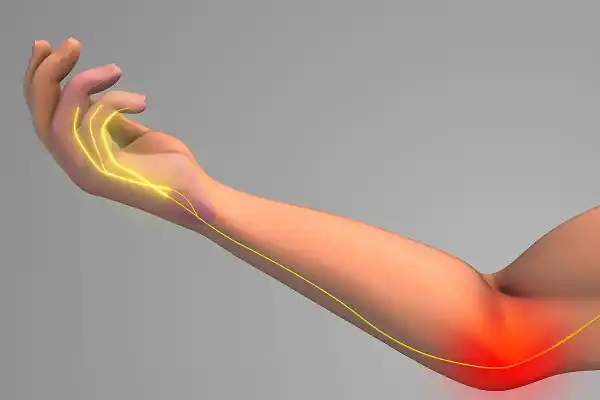
Numbness and tingling in your ring and little fingers, often accompanied by a weak grip, can be more than just a minor annoyance. These are classic signs of cubital tunnel syndrome, a condition caused by compression of the ulnar nerve — often called the "funny bone" nerve — as it passes through a tight space at the elbow. This ongoing pressure can interfere with work, hobbies, and even sleep. When non-surgical treatments fail to provide lasting relief, cubital tunnel release surgery offers an effective way to decompress the nerve and restore function to your hand.
Schedule an AppointmentLearn MoreHand Contracture Release
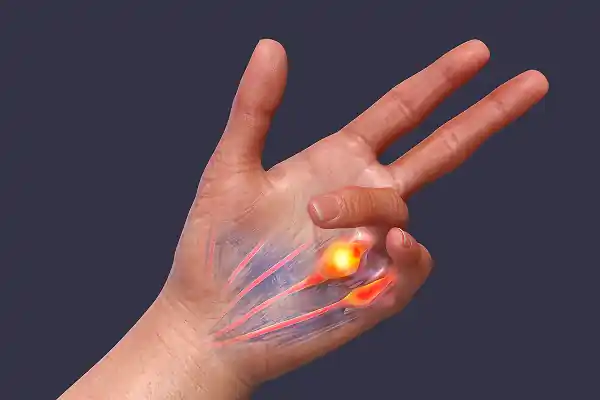
The gradual tightening of tissue in the palm of your hand can cause one or more fingers to be pulled into a bent position, making it impossible to straighten them. This condition, known as a hand contracture, can make simple daily activities like shaking hands, washing your face, or putting on gloves difficult and frustrating. The most common cause is Dupuytren's disease, where knots of tissue form under the skin, eventually creating a thick cord that pulls the fingers inward. When this condition begins to interfere with your hand function, a hand contracture release procedure can sever or remove the restrictive tissue, allowing you to open your hand freely again.
Schedule an AppointmentLearn MoreHand and Wrist Fusions
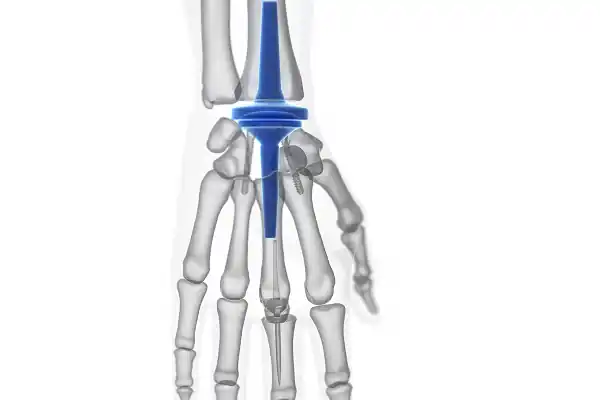
When severe arthritis or a traumatic injury destroys the delicate joints of the hand or wrist, the resulting pain, instability, and weakness can make every movement a struggle. Simple tasks like gripping a steering wheel or lifting a bag can become impossible. For those suffering from debilitating wrist or hand conditions that have not responded to other treatments, fusion surgery offers a reliable path to significant pain relief and a return to function. This procedure, also known as arthrodesis, permanently joins the bones of a painful joint, eliminating motion and, in turn, eliminating pain.
Schedule an AppointmentLearn MoreHand-Wrist Fracture Surgery

A fall onto an outstretched hand or a direct blow during an accident can easily result in a broken bone in the complex structures of your hand or wrist. A fracture in this area is more than just an inconvenience; it can lead to significant pain, swelling, and a loss of the fine motor skills needed for everyday tasks. While many fractures can heal in a cast, severe breaks often require surgery to restore alignment and stability. Hand and wrist fracture surgery is a specialized procedure aimed at precisely repairing the bones to ensure a full recovery and prevent long-term complications like stiffness, weakness, or arthritis.
Schedule an AppointmentLearn MoreOsteotomy
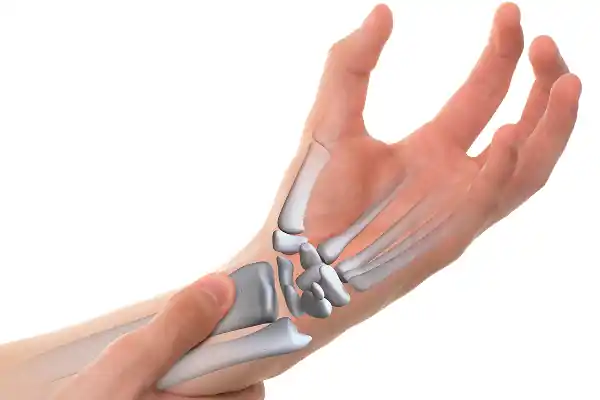
When a bone in the hand or wrist heals in an incorrect position after a fracture — a condition known as a malunion — it can lead to pain, stiffness, loss of motion, and a visible deformity. This improper alignment can disrupt the delicate mechanics of the hand and wrist, affecting your ability to perform daily tasks and leading to early-onset arthritis. A corrective osteotomy is a highly specialized surgical procedure designed to fix this problem. By strategically cutting and repositioning the bone, a surgeon can restore its proper alignment, relieving pain and improving function for the long term.
Schedule an AppointmentLearn MoreCMC Arthroplasty
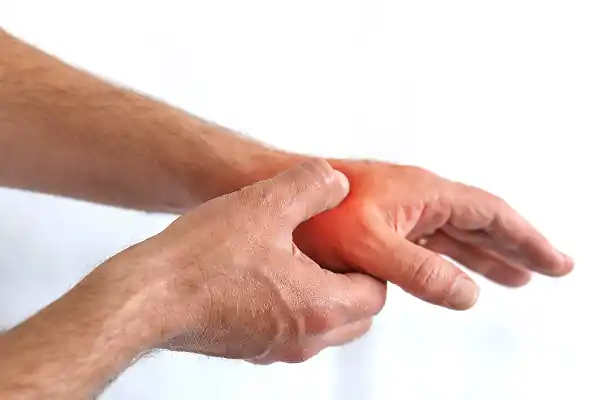
The simple ability to grip a coffee cup, turn a key, or write a note can be taken for granted until thumb pain makes these tasks excruciating. Arthritis at the base of the thumb, specifically at the carpometacarpal (CMC) joint, is a common condition that causes significant pain, weakness, and loss of motion. This can severely impact your quality of life and independence. When conservative treatments like splints and injections no longer provide relief, CMC arthroplasty, a type of thumb joint replacement, offers a durable solution to restore function and eliminate pain.
Schedule an AppointmentLearn MoreAbout the Hand
The hand is an incredibly complex part of the body — it has a broad range of motion and is very precise in movement. We use our hands for everything we do throughout the day — work, play, exercise and more.
With 27 individual bones in each hand, about one-fourth of all the bones found in the body are in the hands. The 27 bones are categorized into three different types, organized by function:
- Carpus and Wrist: the eight carpal bones make up the wrist. Ligaments hold the bones together. Metacarpus: the five bones that make up the area of the hand between your wrist and fingers
- Fingers (Phalanges): the 14 finger bones make up the most movable part of the hand. Each finger has three bones, with the exception of the thumb — it only has two.
From your forearm down to your hand, there are over 30 muscles. They work together to allow you to move your wrist and hand, and spread and extend the fingers. There are also pathways in the wrist and hand for the tendons, vessels and nerves — the most common of which is the carpal tunnel. The carpal tunnel is a passageway made up of carpal bones and connective tissue that can also lead to a very common nerve compression problem (more on page three).
Frequently Asked Questions
What conditions can hand and wrist surgery treat?
Our orthopedic hand and wrist specialists treat a wide variety of acute injuries and chronic conditions. Surgery is the gold standard for relieving nerve compression syndromes like carpal tunnel syndrome and cubital tunnel syndrome when conservative measures fail. It is also essential for treating traumatic injuries, including fractures of the wrist (distal radius), fingers, and scaphoid bone, as well as tendon lacerations and ligament tears (such as skier's thumb).
We also specialize in treating degenerative conditions like osteoarthritis and rheumatoid arthritis, which can cause severe pain and deformity in the fingers and wrist. Other common conditions treated surgically include trigger finger (where a finger gets stuck in a bent position), Dupuytren's contracture (thickening of tissue under the skin of the palm), and ganglion cysts that are painful or limit movement. Whether the issue is caused by repetitive strain, aging, or a sudden accident, surgical intervention can often provide a permanent solution.
What is the recovery process like after hand and wrist surgery?
Recovery from hand and wrist surgery is highly individual and depends on the specific procedure performed. In general, the first few days involve keeping the hand elevated to reduce swelling and managing discomfort with medication. You may need to wear a splint, cast, or bulky dressing to protect the surgical site.
Hand therapy is often a crucial part of the recovery process. Unlike other parts of the body where rest is key, the hand often requires early, gentle movement to prevent stiffness and scar tissue formation. A specialized hand therapist will guide you through exercises to improve range of motion, desensitize the area, and eventually build strength. Recovery times vary: a simple trigger finger release might heal in a couple of weeks, while a complex tendon repair or wrist fracture could require several months of rehabilitation before you can return to heavy lifting or sports. Your surgeon will provide a specific timeline based on your unique case.
What Is Hand And Wrist Surgery, And How Does It Work?
Hand and wrist surgery is a highly specialized field of orthopedics dedicated to treating conditions that affect the bones, joints, ligaments, tendons, and nerves of the upper extremity. Because the hand is such an intricate structure—packed with small bones and a complex network of nerves and blood vessels—surgery requires exceptional precision. The goal is always to restore function, sensation, and appearance while minimizing pain.
Procedures can range from minimally invasive releases to complex reconstructions. For example, carpal tunnel surgery involves cutting a ligament to relieve pressure on the median nerve. Fractures may be treated by realigning bones and securing them with pins, plates, or screws. In cases of severe arthritis, surgeons might remove damaged bone (proximal row carpectomy) or fuse bones together to eliminate pain. Many procedures are performed on an outpatient basis, often using wide-awake local anesthesia, allowing for a quicker return to the comforts of home.
How Do I Know If I Need Hand and Wrist Surgery?
Determining the need for surgery involves a careful evaluation of your symptoms and how they affect your daily life. You may be a candidate for hand or wrist surgery if you experience persistent pain, numbness, or weakness that has not improved with non-surgical treatments like rest, splinting, anti-inflammatory medication, or steroid injections.
Specific signs often point to the need for surgical evaluation. For instance, if you have numbness in your hand that wakes you up at night (a classic sign of carpal tunnel), fingers that lock or catch painfully, or a visible deformity from a fracture or arthritis, surgery may be required. If your hand function is so compromised that you struggle with basic self-care or work tasks, it is time to consult a specialist. A fellowship-trained surgeon at MOA will perform a detailed physical exam and review imaging studies, such as X-rays or nerve conduction studies, to determine if surgery is the right path for you.
How much does hand and wrist surgery cost?
The cost of hand and wrist surgery varies based on the type of procedure, the anesthesia used, your insurance coverage, and facility fees. The total cost encompasses the surgeon's professional fee, the anesthesiologist's fee, and the charges for the surgery center or hospital.
Because conditions like carpal tunnel syndrome, fractures, and arthritis are medical issues that significantly impair function and quality of life, surgical treatment is considered medically necessary. Therefore, it is typically covered by most health insurance plans, including Medicare and workers' compensation. The experienced administrative team at Mountainstate Orthopedic Associates can assist you in verifying your insurance benefits and providing an estimate of any deductibles or copays you might owe, ensuring you have a clear financial picture before moving forward with surgery.