Specialized Corrective Osteotomy Surgery in Morgantown, WV
Restoring Alignment with Wrist Osteotomy Surgery
When a bone in the hand or wrist heals in an incorrect position after a fracture — a condition known as a malunion — it can lead to pain, stiffness, loss of motion, and a visible deformity. This improper alignment can disrupt the delicate mechanics of the hand and wrist, affecting your ability to perform daily tasks and leading to early-onset arthritis. A corrective osteotomy is a highly specialized surgical procedure designed to fix this problem. By strategically cutting and repositioning the bone, a surgeon can restore its proper alignment, relieving pain and improving function for the long term.
Since 1977, Mountainstate Orthopedic Associates (MOA) has provided expert orthopedic care to the people of Morgantown and North Central West Virginia. Our fellowship-trained hand and upper extremity surgeons are specialists in complex reconstructive procedures like corrective osteotomies. We are dedicated to providing compassionate, patient-focused care, combining decades of experience with modern surgical techniques. In partnership with the state-of-the-art facilities at Mon Health Medical Center, we deliver advanced solutions to correct bone deformities, reduce pain, and restore your quality of life.
If a previous injury has left you with a painful hand or wrist deformity, our specialists can help. We offer faster appointment times than many large hospital systems.
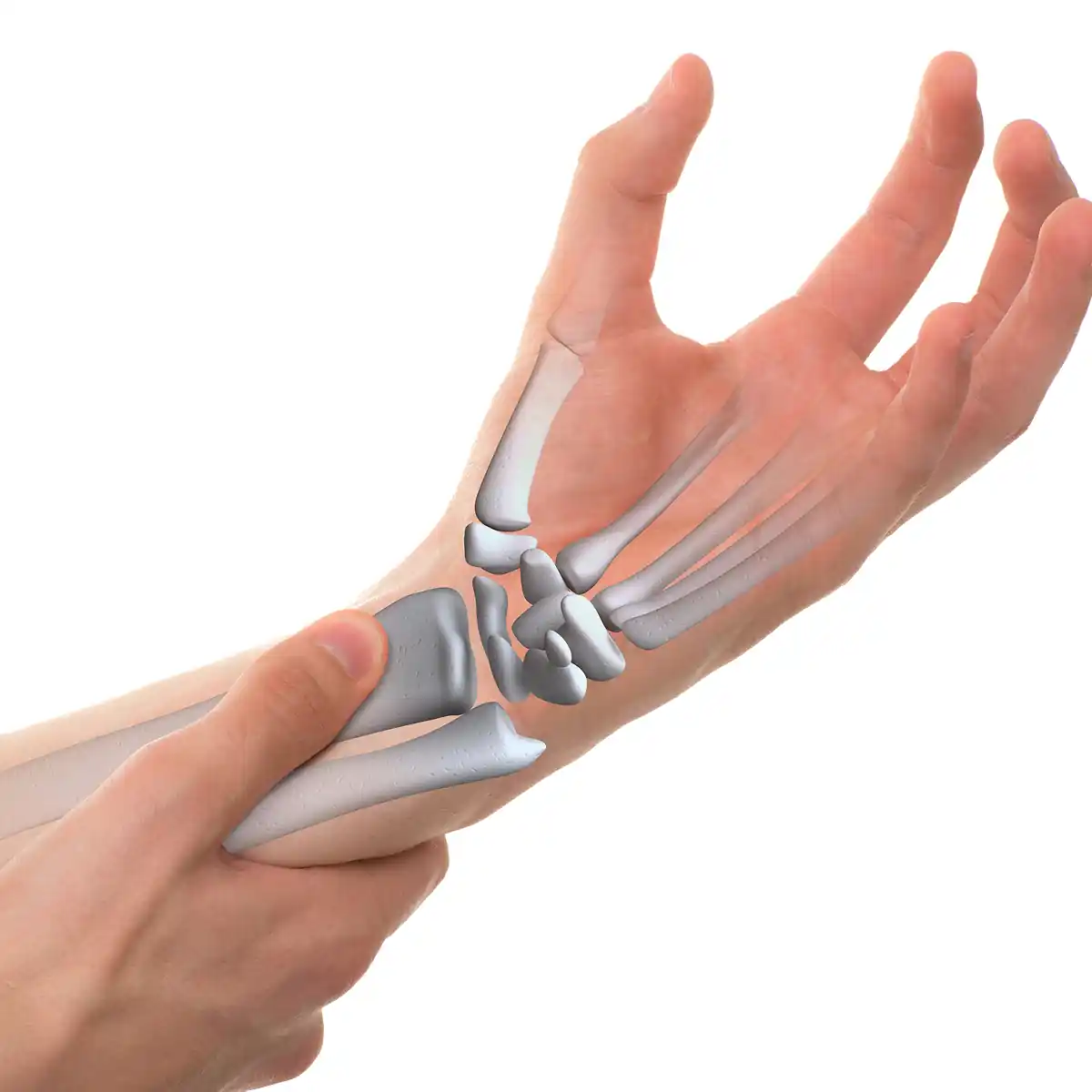
What is osteotomy surgery, and how does it work?
An osteotomy is a surgical procedure that involves the cutting and reshaping of a bone. The term comes from the Greek words "osteo" (bone) and "tome" (to cut). The primary goal of a corrective osteotomy is to realign a bone that has healed in an improper position (a malunion). During the procedure, the surgeon makes a precise cut through the bone at the site of the deformity. The bone is then carefully repositioned into its correct anatomical alignment. To hold the bone securely in its new position while it heals, the surgeon uses internal fixation, such as a metal plate and screws. In some cases, a bone graft — either taken from another part of your body or from a donor — may be used to fill any gaps created by the realignment and to help stimulate healing. This procedure effectively resets the bone, allowing it to heal correctly to improve function and reduce pain.
What conditions can hand and wrist osteotomy treat?
A corrective osteotomy of the hand or wrist is most commonly performed to treat a symptomatic malunion of a fracture. This frequently involves the distal radius, one of the main bones of the forearm at the wrist. If a distal radius fracture heals with improper angulation, it can cause wrist pain, limited rotation of the forearm, and weakness. The procedure can also correct malunions of the small bones in the hand (metacarpals and phalanges) that cause scissoring of the fingers or other functional problems. In addition, osteotomy is used to treat certain congenital deformities and to address conditions like Kienböck's disease, where a realignment procedure can offload pressure on a compromised wrist bone to relieve pain and slow disease progression.
How do I know if I need osteotomy surgery?
You may be a candidate for a corrective osteotomy if you have a previous fracture that healed incorrectly and now causes significant functional problems. The main indicators are chronic pain, noticeable deformity, significant stiffness, and loss of motion that interfere with your daily life. For a wrist malunion, you might struggle with activities that require forearm rotation, like turning a key or a doorknob. For a hand malunion, you might notice your fingers overlapping when you make a fist. The decision to proceed with surgery is made after conservative treatments like physical therapy and activity modification have failed to provide relief. A consultation with an orthopedic hand specialist, including a physical exam and detailed X-rays, is necessary to confirm the malunion and determine if an osteotomy is the right solution for you.
What is the recovery process like after osteotomy surgery?
Recovery after a corrective osteotomy is a gradual process focused on allowing the bone to heal in its new, corrected position. Following surgery, your hand and wrist will be immobilized in a cast or splint for several weeks to protect the osteotomy site. It is crucial to keep your hand elevated during this time to minimize swelling. Once there is evidence of healing on your X-rays, your surgeon will likely transition you to a removable splint and you will begin hand therapy. This is a vital part of recovery. A certified hand therapist will guide you through exercises designed to restore your range of motion, reduce stiffness, and gradually rebuild strength in your hand and wrist. A full recovery can take several months, but the process is essential for achieving the best possible long-term function.
How much does osteotomy surgery cost?
The osteotomy surgery cost can vary depending on the complexity of the procedure, the type of hardware used for fixation, your specific health insurance plan, and facility fees. The total cost includes the fees for the surgeon, the anesthesiologist, and the hospital or outpatient surgery center. Because a corrective osteotomy is a medically necessary procedure performed to correct a significant functional impairment and relieve pain, it is typically covered by most health insurance plans. The experienced administrative team at Mountainstate Orthopedic Associates can work with your insurance provider to help you understand your coverage and provide an estimate of any potential out-of-pocket expenses before your surgery.
More Questions About Corrective Osteotomy
Do I need a referral to see an orthopedic hand specialist at MOA?
No, a referral is not required to schedule a consultation with one of our fellowship-trained hand specialists. We provide direct access to our expert team so you can get an evaluation for your hand or wrist condition without delay.
How quickly can I schedule an appointment for osteotomy surgery?
At Mountainstate Orthopedic Associates, we are committed to providing timely care for our patients. We can typically schedule new patient consultations much more quickly than larger hospital systems, helping you find a solution for your pain and deformity sooner.
What should I expect during an osteotomy surgery consultation?
During your consultation, your hand surgeon will perform a comprehensive evaluation. They will discuss your previous injury, your current symptoms, and how they affect your life. A thorough physical exam of your hand and wrist will be performed, and new X-rays (and possibly a CT scan) will be taken to precisely measure the deformity. Your surgeon will then explain the osteotomy procedure in detail and discuss the expected outcomes and risks.
What are the risks of osteotomy surgery?
While corrective osteotomy is a safe procedure in experienced hands, it carries the risks of any surgery, including infection, bleeding, and nerve or tendon injury. Specific risks include nonunion (where the bone fails to heal), stiffness, and the potential need for hardware removal in the future. Our expert surgeons take every precaution to minimize these risks and will discuss them with you in detail.