Expert Hand Contracture Treatment in Morgantown, WV
Restoring Function with Hand Dupuytren's Contracture Release
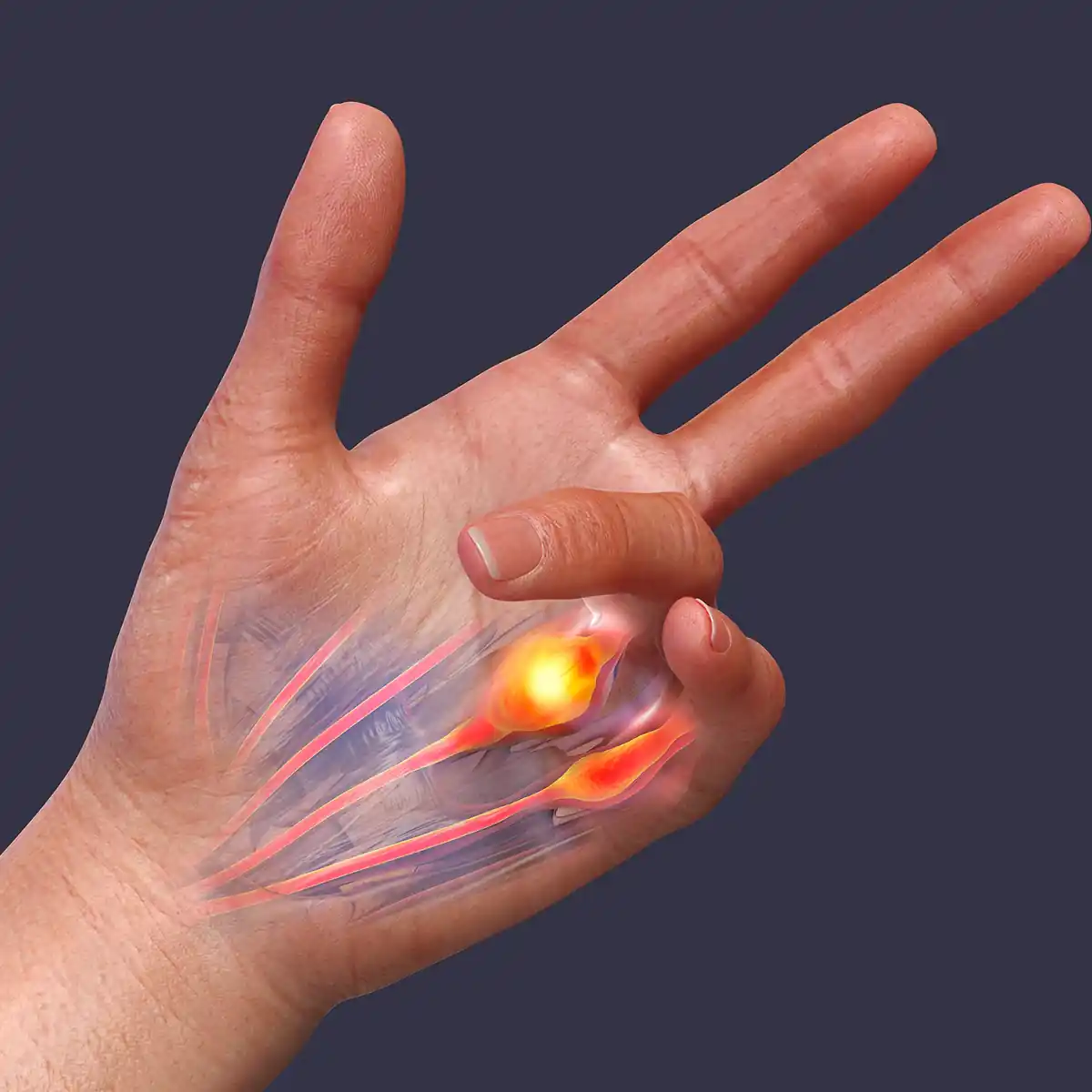
The gradual tightening of tissue in the palm of your hand can cause one or more fingers to be pulled into a bent position, making it impossible to straighten them. This condition, known as a hand contracture, can make simple daily activities like shaking hands, washing your face, or putting on gloves difficult and frustrating. The most common cause is Dupuytren's disease, where knots of tissue form under the skin, eventually creating a thick cord that pulls the fingers inward. When this condition begins to interfere with your hand function, a hand contracture release procedure can sever or remove the restrictive tissue, allowing you to open your hand freely again.
Since 1977, Mountainstate Orthopedic Associates (MOA) has been the leading provider of specialized orthopedic care in Morgantown and North Central West Virginia. Our fellowship-trained orthopedic hand surgeons are experts in diagnosing and treating hand contractures, including Dupuytren's disease. We are committed to building personal relationships with our patients, providing compassionate care tailored to your individual needs. In partnership with the state-of-the-art facilities at Mon Health Medical Center, we perform advanced surgical and minimally invasive procedures to restore movement and improve your quality of life.
Don't let a hand contracture limit your abilities. We provide faster access to expert care than many larger health systems.
What is hand contracture release surgery, and how does it work?
Hand contracture release is a procedure designed to correct a finger that is permanently bent towards the palm. The goal is to release the tissue that is causing the contracture, allowing the finger to straighten. The specific technique depends on the cause and severity of the contracture. For Dupuytren's contracture, the most common procedure is a fasciectomy, where the surgeon makes incisions in the palm to remove the thickened, cord-like tissue that is pulling on the finger. In less severe cases, a minimally invasive procedure called a needle aponeurotomy may be an option. In this office-based procedure, a surgeon uses the tip of a needle to perforate and divide the tight cord, releasing the tension and allowing the finger to extend. The choice of procedure is tailored to restore as much function as possible.
What conditions can hand contracture release treat?
Hand contracture release is primarily used to treat Dupuytren's contracture, a genetic condition that causes tissue in the palm to thicken and tighten. However, the procedure can also address contractures that develop for other reasons. This can include scar tissue that forms after a burn, laceration, or other hand injury, which can restrict movement as it heals and tightens. It can also be used for certain congenital conditions present at birth or contractures that develop due to neurological conditions like stroke or cerebral palsy, where muscle spasticity pulls the fingers into a flexed position. The primary indication for the procedure is any condition that results in a fixed, bent position of a finger that limits hand function.
How do I know if I need hand contracture release surgery?
The decision to proceed with a hand contracture release is based on how much the condition impacts your daily function. For Dupuytren's contracture, a common guideline is the "tabletop test." If you are unable to lay your hand completely flat on a table, it is a sign that the contracture has become functionally significant. You may consider surgery if you find it difficult to wash your face, wear gloves, put your hand in your pocket, or grip large objects. If the contracture is progressing and interfering with your work or daily life, it is time to consult with an orthopedic hand specialist. They will evaluate your hand and help you decide if and when a procedure is the right choice for you.
What is the recovery process like after hand contracture release?
Recovery varies depending on the type of procedure performed. After a minimally invasive needle aponeurotomy, recovery is very quick, with minimal restrictions and often no formal therapy needed. After a surgical fasciectomy, the recovery is more involved. Your hand will be bandaged, and you may be placed in a splint for a period to keep the finger extended while it heals. Swelling and stiffness are common. Hand therapy is a critical component of recovery after open surgery. A certified hand therapist will guide you through exercises to restore motion and strength and will likely provide you with a custom night splint to maintain your finger's extension. Full recovery can take several months as you work to regain optimal function.
How much does hand contracture release surgery cost?
The cost of hand contracture release depends on the specific procedure performed, your insurance coverage, and whether it is done in an office or a hospital setting. A minimally invasive needle procedure performed in the office will be less expensive than a formal fasciectomy surgery in an operating room. The total cost of surgery includes the surgeon’s fee, anesthesia, and facility fees. Because hand contractures are a medical condition that impairs function, treatment is considered medically necessary and is typically covered by most health insurance plans. The administrative staff at Mountainstate Orthopedic Associates can help you understand your benefits and provide an estimate of any potential out-of-pocket costs.
More Questions About Hand Contracture Treatment
Do I need a referral to see an orthopedic hand specialist at MOA?
No, you do not need a referral to schedule an appointment with one of our hand specialists. We provide direct access to care, making it easy for you to get an expert evaluation of your hand condition.
How quickly can I schedule an appointment for hand contracture release?
At Mountainstate Orthopedic Associates, we are committed to providing prompt care. We can often schedule new patient appointments much faster than larger hospital systems, allowing you to find a solution for your hand contracture without a long wait.
What should I expect during a hand contracture release consultation?
During your consultation, a fellowship-trained hand surgeon will discuss your symptoms, ask about how the contracture affects your daily life, and perform a physical exam. They will assess the severity of the contracture and perform tests like the tabletop test. Your doctor will then explain all your treatment options, from observation to minimally invasive and surgical procedures, helping you choose the best course of action.
What are the risks of hand contracture release surgery?
While generally safe, all procedures carry some risk. Risks of hand contracture release can include infection, bleeding, and stiffness. Because the cords of tissue are often intertwined with nerves and blood vessels, there is a risk of nerve or artery injury. There is also a possibility that the contracture can recur over time. Our experienced surgeons take meticulous care to minimize these risks and will discuss them with you in detail.