Effective Surgery for Arthritic Thumb Joint in Morgantown, WV
Lasting Relief with CMC Arthroplasty Surgery
The simple ability to grip a coffee cup, turn a key, or write a note can be taken for granted until thumb pain makes these tasks excruciating. Arthritis at the base of the thumb, specifically at the carpometacarpal (CMC) joint, is a common condition that causes significant pain, weakness, and loss of motion. This can severely impact your quality of life and independence. When conservative treatments like splints and injections no longer provide relief, CMC arthroplasty, a type of thumb joint replacement, offers a durable solution to restore function and eliminate pain.
Since 1977, Mountainstate Orthopedic Associates (MOA) has provided exceptional orthopedic care to the communities of Morgantown and North Central West Virginia. Our fellowship-trained hand and upper extremity specialists are experts in treating complex conditions like thumb arthritis. We are dedicated to building strong physician-patient relationships, listening to your needs to create a personalized treatment plan. Performing advanced procedures like CMC arthroplasty at the state-of-the-art Mon Health Medical Center, we combine decades of experience with proven surgical techniques to help you regain use of your hand.
Don't let thumb arthritis dictate your life. At MOA, we offer faster access to specialized care than many large health systems. Contact us today to schedule your consultation.
What is CMC arthroplasty, and how does it work?
CMC arthroplasty is a surgical procedure designed to treat advanced arthritis at the base of the thumb. The primary goal is to relieve pain and restore function to the hand. The most common and time-tested technique involves removing the small arthritic bone at the base of the thumb, the trapezium. This removes the painful bone-on-bone friction that causes arthritis symptoms. To stabilize the thumb, your surgeon then creates a cushion in the empty space using a portion of a nearby tendon. This tendon is rerouted to support the base of the thumb metacarpal, effectively creating a new, soft joint. This procedure has a high success rate for pain relief and allows for a return to most daily activities without the grinding pain of arthritis.
What are the symptoms of thumb arthritis?
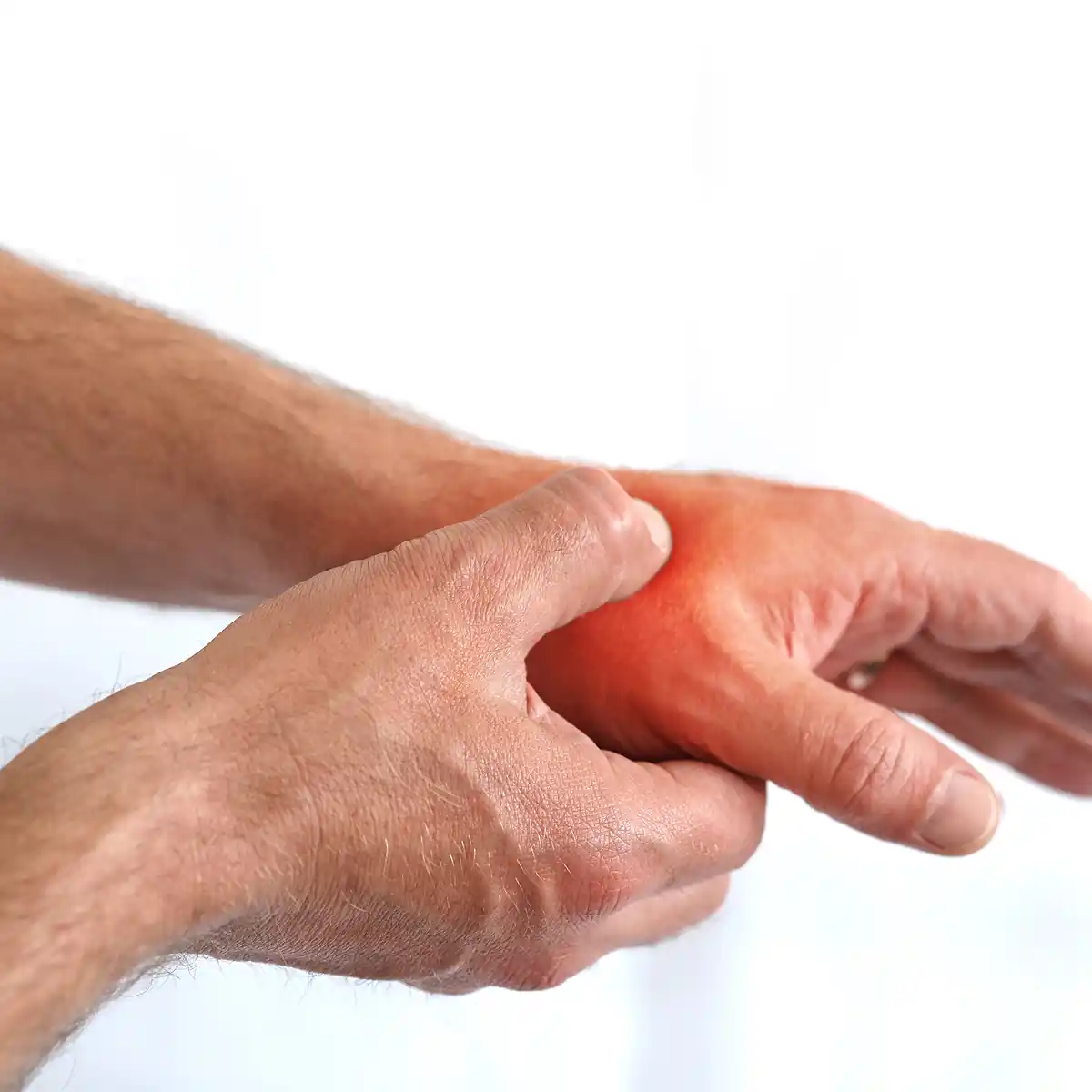
The most common symptom of CMC joint arthritis is a deep, aching pain at the base of the thumb. This pain typically worsens when you pinch, grip, or twist objects. Simple actions like opening a jar, turning a doorknob, or using a key can become very painful. Other symptoms include swelling and tenderness over the joint, a loss of strength when gripping, and a decreased range of motion. As the arthritis progresses, you may notice a bony bump at the base of your thumb, and the joint may appear enlarged. In advanced stages, the thumb can collapse into the palm, making it difficult to open your hand flat.
How do I know if I need CMC arthroplasty?
The decision to have CMC arthroplasty is made when non-surgical treatments are no longer effective at controlling your thumb pain and the condition significantly impacts your quality of life. If you have tried splinting, anti-inflammatory medications, and corticosteroid injections but still experience debilitating pain that interferes with your daily tasks, surgery may be your best option. An orthopedic hand specialist will perform a thorough physical examination, including specific tests to stress the CMC joint, and will use X-rays to confirm the extent of the arthritis. If you have advanced joint damage and persistent symptoms, your surgeon will likely discuss CMC arthroplasty with you.
What is the recovery process like after CMC arthroplasty?
Recovery after CMC arthroplasty is a gradual process that requires patience and dedication to rehabilitation. Following surgery, you will be placed in a cast or a splint that immobilizes your thumb and wrist for several weeks to protect the reconstruction. Once the initial healing phase is over, you will begin hand therapy. A certified hand therapist will guide you through gentle range-of-motion exercises and, eventually, strengthening exercises. It is crucial to follow the therapy protocol to achieve the best possible outcome. While you may be able to perform light daily activities within a few weeks, it can take several months to regain full strength and function.
Are there non-surgical options for thumb arthritis?
Yes, before considering surgery, we always exhaust non-surgical treatment options. For mild to moderate thumb arthritis, these conservative measures can be very effective at managing symptoms. Treatment often begins with activity modification to avoid painful motions. Wearing a supportive thumb splint (a thumb spica splint) can rest the joint and reduce pain. Over-the-counter anti-inflammatory medications like ibuprofen can help decrease pain and swelling. For more significant symptoms, a corticosteroid injection directly into the CMC joint can provide powerful, though often temporary, relief.
More Questions About Thumb Arthritis Surgery
Do I need a referral to see an arthroplasty specialist at MOA?
No, you do not need a referral from another doctor to schedule a consultation with one of our hand and upper extremity specialists. We offer direct access to our expert team to ensure you receive timely care.
How quickly can I schedule an appointment for CMC arthroplasty?
At Mountainstate Orthopedic Associates, we are committed to seeing patients promptly. We can typically schedule appointments much faster than larger health systems, allowing you to get an expert opinion on your thumb pain without a long wait.
What should I expect during a CMC arthroplasty consultation?
During your consultation, one of our fellowship-trained hand specialists will review your medical history, discuss your symptoms in detail, and perform a physical exam on your hand and thumb. They will likely take X-rays in the office to assess the severity of the arthritis. Your doctor will then discuss all your treatment options, answer your questions, and help you decide if CMC arthroplasty is the right procedure for you.
What are the risks of CMC arthroplasty surgery?
While CMC arthroplasty is a very successful procedure, it does have potential risks like any surgery. These include infection, bleeding, nerve irritation, and stiffness. There is also a small risk of ongoing pain or thumb weakness. Our highly experienced orthopedic surgeons take every precaution to minimize these risks and will discuss them with you thoroughly before your procedure.