Leading Tendon Repair Surgery in Morgantown, WV
Expert Tendon Repair Surgery From a Specialist Near Me
A sudden "pop" during a recreational sport or a sharp pain from lifting a heavy object can sometimes signal a serious injury: a torn tendon. Tendons are the strong, fibrous cords that connect your muscles to your bones, and when they tear, the result is pain, weakness, and a significant loss of function. Whether it’s a ruptured Achilles tendon that makes walking impossible, a torn biceps tendon that weakens your arm, or a damaged rotator cuff tendon in the shoulder, these injuries often do not heal on their own. Tendon repair surgery is a precise procedure designed to reattach the torn tendon to the bone, restoring the vital connection that allows you to move.
Since 1977, Mountainstate Orthopedic Associates (MOA) has been the trusted provider of specialized orthopedic care in Morgantown and North Central West Virginia. Our team of board-certified, fellowship-trained tendon surgeons has extensive experience in repairing a wide range of tendon injuries, from common to complex. Using advanced surgical techniques through our partnership with Mon Health Medical Center, we focus on providing lasting repairs that relieve pain and restore function. We are committed to guiding you through every step of the process, from diagnosis to full recovery.
If you've suffered a tendon injury, don't wait. We offer faster access to appointments than many large hospital systems.
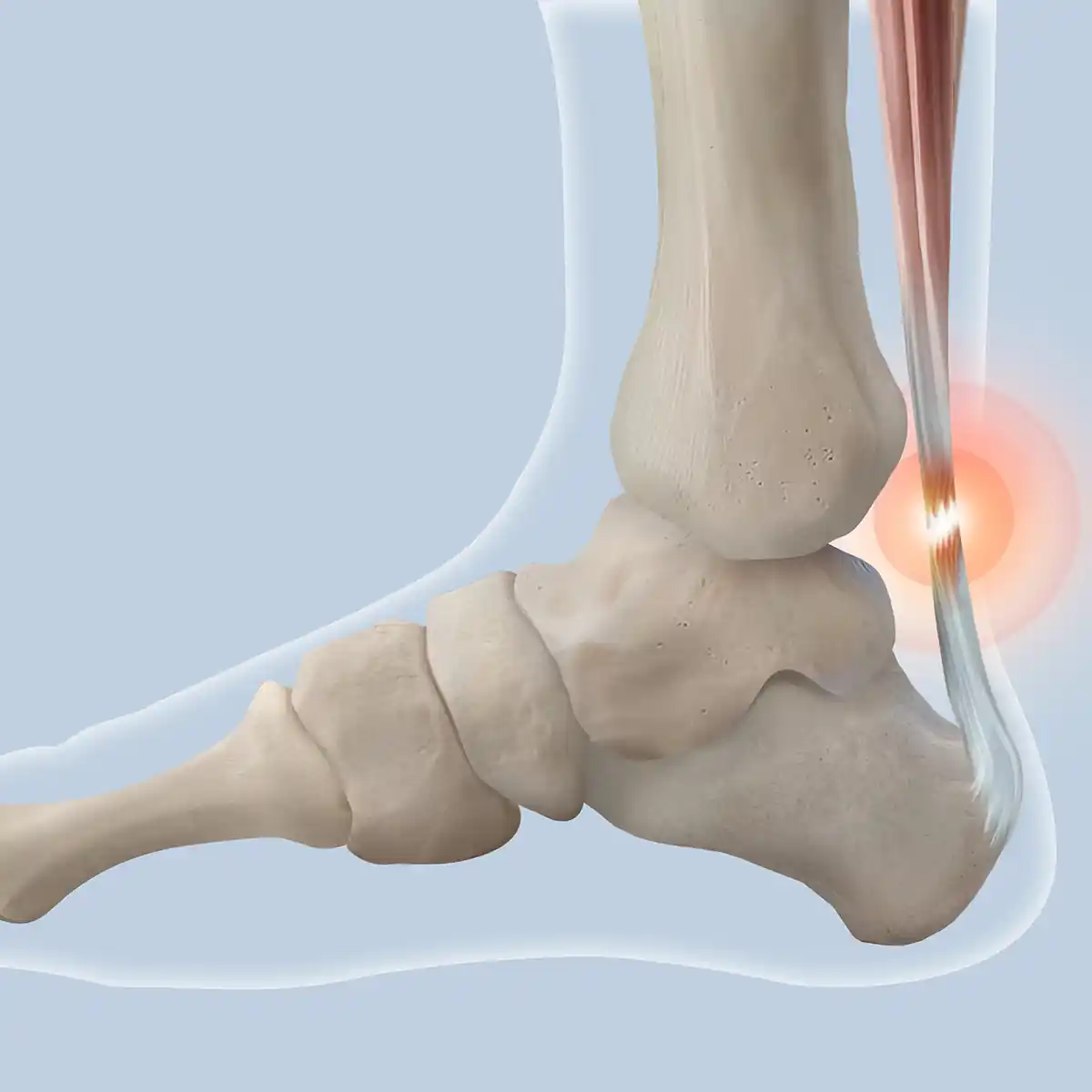
What is tendon repair surgery, and how does it work?
Tendon repair surgery is a procedure to fix a torn or damaged tendon. The primary goal is to re-establish the connection between the muscle and the bone to restore strength and movement. The specific tendon repair procedure depends on the location and severity of the tear. For a complete rupture, where the tendon has pulled completely away from the bone, the surgeon will re-anchor it. This often involves using special devices called suture anchors, which are small screws placed into the bone. Strong sutures are attached to these anchors and then woven through the end of the tendon. The surgeon pulls the sutures tight, bringing the tendon securely back to its original attachment point on the bone. For tears within the tendon itself (intrasubstance tears), the surgeon may trim away the damaged tissue and sew the healthy ends together. Most tendon repairs are now performed using minimally invasive arthroscopic techniques, but some injuries may require a more traditional open approach.
What conditions can tendon repair surgery treat?
Tendon repair surgery can treat a wide variety of acute and chronic tendon ruptures throughout the body. Some of the most common conditions treated by our tendon surgeons include:
- Rotator Cuff Tears: Repairing one or more of the four tendons that control movement and stability in the shoulder.
- Achilles Tendon Ruptures: Reattaching the large tendon at the back of the ankle, which is crucial for walking, running, and jumping. An Achilles tendon surgeon specializes in this repair.
- Biceps Tendon Tears: Fixing tears of the biceps tendon, either at the shoulder (proximal) or the elbow (distal).
- Patellar or Quadriceps Tendon Ruptures: Repairing the major tendons that straighten the knee.
- Tendon Lacerations: Stitching back together tendons in the hand or wrist that have been cut by a sharp object.
Surgery is typically reserved for complete tears or significant partial tears that cause persistent pain and functional deficits that have not improved with non-surgical treatment.
How do I know if I need tendon repair surgery?
You may need tendon surgery if you have experienced a sudden, traumatic injury followed by a "pop," sharp pain, and immediate weakness in the affected limb. Other signs of a complete tendon rupture include visible swelling and bruising, a noticeable gap or defect in the contour of the muscle, and the inability to perform a specific movement (e.g., unable to lift your arm after a shoulder injury or unable to stand on your toes after an ankle injury). For chronic tendon issues, the need for surgery is determined after conservative treatments like physical therapy and rest have failed to resolve your pain and weakness. The definitive way to know is to get an evaluation from a tendon specialist near you. Your doctor will perform a physical exam and likely order an imaging study, such as an MRI or ultrasound, to confirm the diagnosis and assess the severity of the tear.
What is the recovery process like after tendon repair surgery?
Recovery after tendon repair is a carefully managed process that requires patience and dedication. The most critical phase is the initial period of healing, where the repaired tendon must be protected. This almost always involves a period of immobilization in a sling, brace, or cast, which can last for several weeks. During this time, you will have strict activity and weight-bearing restrictions to prevent re-injury. Once your surgeon determines that initial healing is adequate, you will begin physical therapy. Therapy starts with gentle passive and active range-of-motion exercises to combat stiffness. As the repair gains strength over several weeks and months, the focus shifts to progressive strengthening exercises to rebuild muscle and restore function. The full recovery timeline varies significantly based on the tendon repaired—a finger tendon repair may take a few months, while an Achilles tendon repair can take six months to a year for a full return to sports.
How much does tendon repair surgery cost?
The cost of tendon repair surgery varies based on the specific tendon being repaired, the complexity of the surgery, your health insurance plan, and the facility fees. The total cost includes the tendon surgeon's fee, the anesthesiologist's fee, and the charges for the hospital or outpatient surgery center. Because a complete tendon rupture is a significant injury that causes functional disability, the surgery is considered medically necessary and is covered by most private insurance plans and Medicare. Our administrative team at Mountainstate Orthopedic Associates is skilled at working with insurance companies and can help you understand your benefits and provide an estimate of your potential out-of-pocket costs before your procedure.
More Questions About Tendon Surgery
Do I need a referral to see a tendon specialist at MOA?
No, you do not need a referral to schedule a consultation with one of our orthopedic surgeons in Morgantown. We offer direct access to our expert team, allowing you to receive a prompt evaluation for your injury.
How quickly can I schedule an appointment for tendon repair surgery?
At Mountainstate Orthopedic Associates, we understand that tendon injuries often require prompt attention. We are committed to seeing patients quickly and can typically schedule new appointments much faster than larger hospital systems.
What should I expect during a tendon repair surgery consultation?
During your consultation, a fellowship-trained orthopedic surgeon will discuss the details of your injury, your symptoms, and your functional goals. They will perform a thorough physical exam to assess your strength and range of motion and will review any imaging studies (like an MRI). Your surgeon will then confirm your diagnosis and explain the best surgical approach to repair the tendon.
What are the risks of tendon repair surgery?
Tendon repair is a very successful procedure, but all surgeries have potential risks, including infection, bleeding, blood clots, and stiffness. The primary risk specific to this surgery is the possibility of re-rupture or failure of the tendon to heal properly. Our expert surgeons use advanced techniques and follow strict protocols to minimize these risks, which they will discuss with you in detail.