Advanced Tennis Elbow Surgery from an Elbow Specialist Near Me
Lasting Relief with Tennis Elbow Surgery in Morgantown, WV
A sharp, burning pain on the outside of your elbow that radiates down your forearm can make even the simplest tasks — like gripping a coffee mug, turning a doorknob, or shaking hands — unbearably painful. This condition, known as lateral epicondylitis or "tennis elbow," is caused by the degeneration of the tendons that anchor your forearm muscles to the bony bump on your outer elbow. While often linked to racket sports, it frequently affects workers, painters, and anyone who performs repetitive arm motions. When rest, ice, and bracing fail to provide relief, tennis elbow surgery offers a definitive solution to remove the damaged tissue and restore pain-free movement.
Since 1977, Mountainstate Orthopedic Associates (MOA) has been the trusted choice for specialized orthopedic care in Morgantown and North Central West Virginia. Our fellowship-trained elbow orthopedic surgeons are experts in diagnosing and treating complex tendon injuries. We are dedicated to patient-centered care, offering personalized treatment plans that prioritize your long-term health and activity goals. Through our partnership with the advanced surgical facilities at Mon Health Medical Center, we utilize the latest surgical techniques to help you overcome chronic elbow pain.
Don't let elbow pain limit your daily life or work. We offer faster access to appointments than many large hospital systems, helping you find relief sooner.
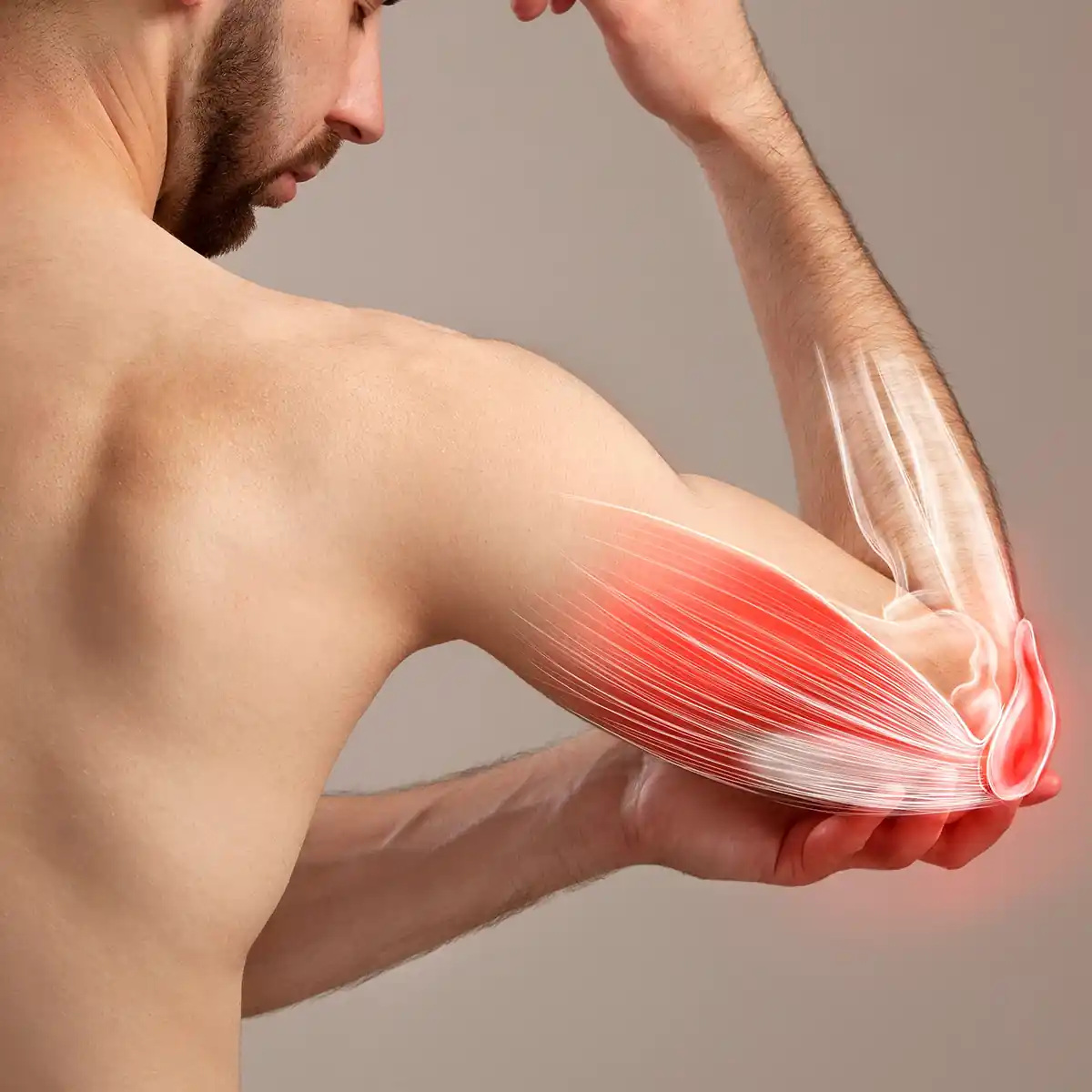
What is tennis elbow surgery, and how does it work?
Tennis elbow surgery is a procedure designed to treat severe cases of lateral epicondylitis that have not responded to non-surgical treatments. The surgery targets the extensor carpi radialis brevis (ECRB) tendon, which is typically the source of the pain. Over time, repetitive stress causes this tendon to develop microscopic tears and degenerate, leading to chronic inflammation and scar tissue.
The tennis elbow surgery procedure can be performed using either an open approach or an arthroscopic (minimally invasive) approach. In both methods, the primary goal is the same: to remove the diseased, degenerated tendon tissue. The surgeon carefully cuts away the damaged portion of the tendon and may also remove any bone spurs that are irritating the area. Once the unhealthy tissue is removed, the healthy tendon is reattached to the bone or repaired to ensure structural integrity. This process alleviates the tension on the tendon insertion point and eliminates the source of the chronic pain, allowing the area to heal with healthy tissue.
What conditions can tennis elbow surgery treat?
As the name implies, this surgery is specifically designed to treat tennis elbow (lateral epicondylitis). However, it is important to understand that "tennis elbow" is a broad term for tendinosis of the outer elbow. This condition isn't limited to tennis players. It is a common overuse injury that can affect carpenters, plumbers, butchers, painters, and cooks: Anyone whose job or hobby involves repetitive gripping and lifting.
Surgery is generally indicated for severe, chronic cases where the tendon damage is extensive and irreversible through conservative means. It treats the pain, weakness, and loss of grip strength associated with the degeneration of the ECRB tendon. While similar in nature, this surgery is distinct from procedures used to treat "golfer's elbow" (medial epicondylitis), which affects the inner side of the elbow, although MOA surgeons are skilled in treating both conditions.
How do I know if I need tennis elbow surgery?
You may be a candidate for tennis elbow surgery if you have been suffering from persistent elbow pain for six months or longer despite trying a full regimen of conservative treatments. These non-surgical options typically include rest, activity modification, physical therapy, bracing, anti-inflammatory medications, and steroid injections. If these measures fail to provide lasting relief, or if your pain is severe enough to interfere with sleep and daily function, surgery is likely the next step.
A definitive diagnosis requires an evaluation by an elbow specialist near you. Your doctor will perform a physical exam, including a specific tennis elbow diagnostic test where they will ask you to extend your wrist against resistance to see if it triggers pain. They may also order an MRI to visualize the extent of the tendon damage and rule out other problems like arthritis or nerve entrapment. If the MRI confirms significant tendon degeneration, surgery will be discussed as a viable option to restore your quality of life.
What is the recovery process like after tennis elbow surgery?
The recovery process after tennis elbow surgery is gradual but generally leads to excellent outcomes. Following the procedure, your arm will be placed in a splint or sling for about a week to immobilize the elbow and allow the initial healing to take place. Once the splint is removed, you will begin gentle stretching exercises to prevent stiffness and restore flexibility.
Physical therapy is a crucial part of the recovery timeline. About two weeks post-surgery, you will start a structured program focusing on progressive strengthening exercises for the forearm muscles. Most patients can return to light daily activities and desk work within a few weeks. However, heavy lifting and repetitive gripping tasks must be avoided for a longer period. A full return to vigorous sports or heavy manual labor typically takes anywhere from 4 to 6 months, depending on the severity of the initial injury and your adherence to the rehabilitation program.
How much does tennis elbow surgery cost?
The tennis elbow surgery cost varies depending on several factors, including whether the procedure is performed as an open surgery or arthroscopically, your specific health insurance coverage, and the facility fees. The total cost encompasses the surgeon's fee, the anesthesiologist's fee, and the charges for the outpatient surgery center or hospital.
Because chronic tennis elbow is a recognized medical condition that causes significant pain and functional impairment, the surgery is considered medically necessary. Therefore, it is covered by almost all health insurance plans, including Medicare. The experienced administrative staff at Mountainstate Orthopedic Associates can help you navigate the insurance process, verifying your benefits and providing a clear estimate of any deductibles or copays you may owe before your procedure is scheduled.
More Questions About Elbow Surgery
Do I need a referral to see an elbow specialist at MOA?
No, you do not need a referral to schedule an appointment with one of our orthopedic doctors in Morgantown, WV. We offer direct access to our specialists, ensuring you can get a prompt evaluation for your elbow pain without unnecessary administrative delays.
How quickly can I schedule an appointment for tennis elbow surgery?
At Mountainstate Orthopedic Associates, we prioritize accessibility for our patients. We can typically schedule new patient consultations much faster than large university health systems, allowing you to start your journey toward recovery sooner.
What should I expect during a tennis elbow surgery consultation?
During your consultation, a fellowship-trained elbow surgeon will review your medical history and discuss your symptoms in detail. They will perform a thorough physical exam, testing your grip strength and pain levels. They will also review any X-rays or MRIs to confirm the diagnosis and rule out other types of elbow surgery or conditions. Your surgeon will then explain the procedure and answer all your questions.
What are the risks of tennis elbow surgery?
Tennis elbow surgery is a safe and effective procedure, but like any surgery, it carries some risks. These include infection, bleeding, nerve injury, and stiffness. There is also a small risk that the pain may not be completely relieved or that the condition could recur. Our expert surgeons take meticulous care to minimize these risks and will discuss them with you thoroughly during your visit.