Expert Meniscus Tear Treatment in Morgantown, WV
Advanced Meniscus Tear Surgery for Knee Pain and Recovery
A sudden twist of the knee or even the simple act of squatting can lead to a tear in the meniscus, the C-shaped cartilage that acts as a crucial shock absorber between your thighbone and shinbone. A torn meniscus can cause significant pain, swelling, and a sensation of your knee locking or catching, making it difficult to walk, run, or even stand comfortably. While some minor tears can heal with rest and physical therapy, many require surgical intervention to restore knee function and prevent further damage. Meniscal surgery is a minimally invasive procedure designed to either repair the torn cartilage or trim away the damaged portion, providing lasting relief and getting you back to an active life.
For over 45 years, Mountainstate Orthopedic Associates (MOA) has been the trusted leader in orthopedic care for patients in Morgantown and North Central West Virginia. Our fellowship-trained orthopedic knee specialists are experts in advanced arthroscopic techniques for treating meniscus injuries. We are committed to building personal relationships with our patients and providing compassionate, state-of-the-art care. In partnership with the advanced surgical suites at Mon Health Medical Center, we deliver exceptional outcomes to help you move past knee pain.
Don't let a knee injury hold you back. At MOA, we offer faster appointment times than many large hospital systems.
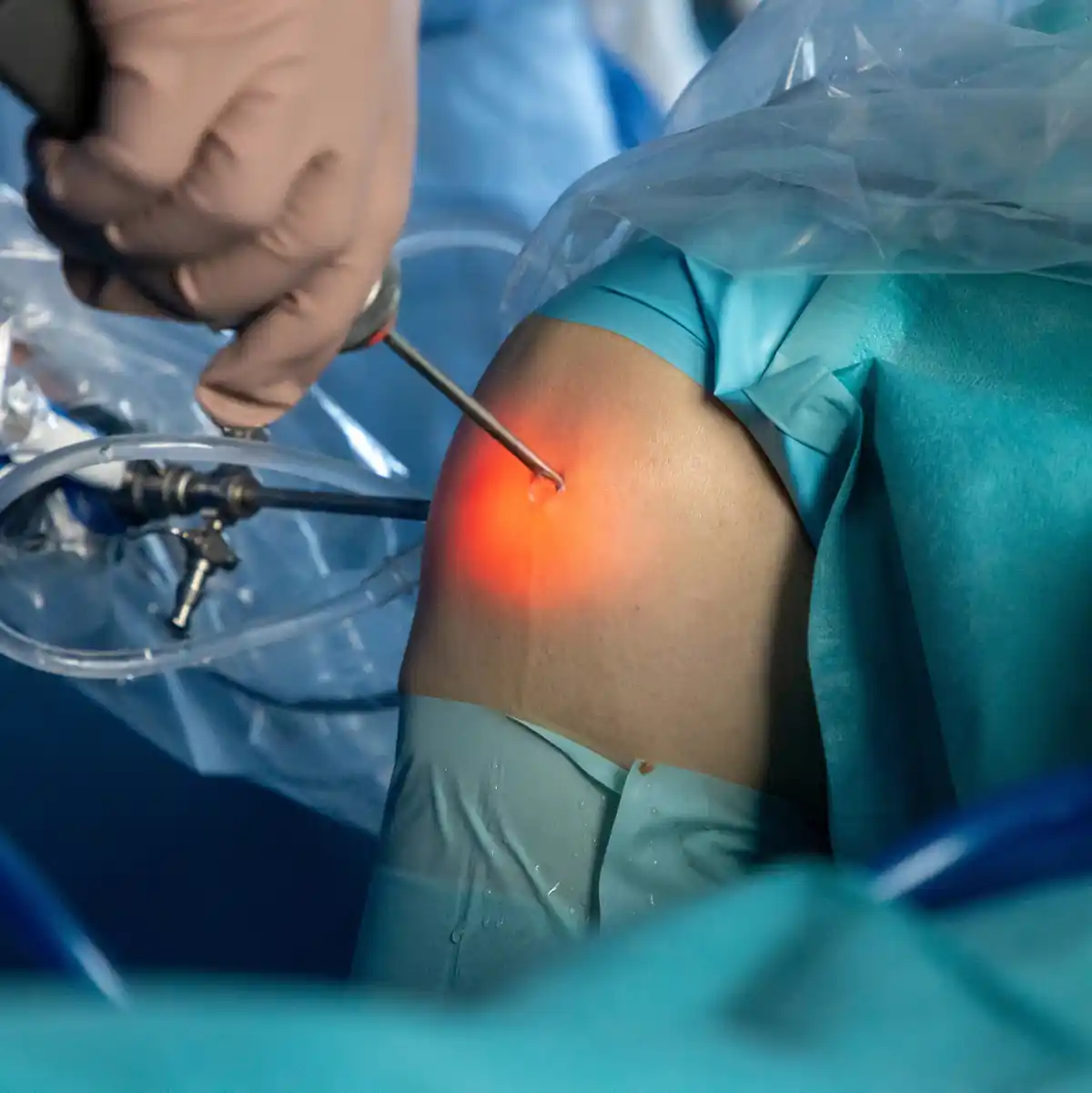
What is meniscal surgery, and how does it work?
Meniscal surgery is a minimally invasive arthroscopic procedure used to treat a torn meniscus. The surgery is performed through a few small incisions around the knee. A tiny camera, called an arthroscope, is inserted into the joint, allowing the surgeon to view the internal structures on a high-definition monitor. This magnified view enables a precise diagnosis and treatment. Depending on the type, location, and size of the tear, the surgeon will perform one of two main procedures. The first is a partial meniscectomy, where the damaged, unstable fragments of the meniscus are carefully trimmed away, leaving a smooth, stable rim of healthy cartilage. The second option is a meniscus repair, where the surgeon uses specialized sutures and anchors to sew the torn edges of the meniscus back together, encouraging it to heal. The goal of both procedures is to resolve the mechanical symptoms of pain, locking, and catching, and to restore smooth function to the knee joint.
What conditions can meniscal surgery treat?
Meniscal surgery is specifically designed to treat tears in the meniscus. These tears are extremely common knee injuries and can occur in two primary ways. Acute tears often happen in younger, active individuals and athletes during sports that involve sudden twisting or pivoting movements. These are often associated with a distinct "pop" and immediate pain and swelling. Degenerative tears are more common in older adults and can occur with minimal trauma, such as twisting while getting up from a chair. This is because the meniscus can become weaker and more brittle with age. Surgery is indicated when the tear causes persistent mechanical symptoms like pain, locking, catching, or a feeling of the knee giving way, and when these symptoms have not improved with conservative treatments like rest and physical therapy.
How do I know if I need meniscal surgery?
The need for meniscal surgery is determined after a thorough evaluation by an orthopedic knee specialist. You may be a candidate if you experience classic meniscus tear symptoms, such as sharp pain along the joint line of your knee, persistent swelling, a sensation of your knee locking or catching, or difficulty fully straightening or bending your knee. These symptoms often worsen with twisting motions or deep squatting. If you have tried non-surgical treatments like rest, ice, anti-inflammatory medications, and physical therapy without significant improvement, surgery may be the next step. Your knee doctor will perform a physical exam and will likely order an MRI to confirm the diagnosis, visualize the tear's location and pattern, and determine whether a meniscectomy or a repair is the most appropriate treatment.
What is the recovery process like after meniscal surgery?
The recovery process depends entirely on the type of surgery performed. After a partial meniscectomy (trimming the meniscus), recovery is relatively quick. You will typically be able to put weight on your leg immediately with the help of crutches for a few days. Physical therapy is started soon after to restore range of motion and strength. Most patients return to normal daily activities within a few weeks and can resume more strenuous activities and sports within one to two months. Recovery after a meniscus repair is much more extensive. Because the cartilage needs time to heal, you will be required to use crutches and limit weight-bearing on the knee for several weeks. You may also wear a brace to restrict motion. The rehabilitation process is longer and more gradual, with a full return to sports often taking four to six months.
How much does meniscal surgery cost?
The meniscus tear surgery cost varies based on the specific procedure (meniscectomy vs. repair), your health insurance plan, and the facility where the surgery is performed. The total cost includes the surgeon’s fee, the anesthesiologist’s fee, and the charges for the outpatient surgery center or hospital. Because a symptomatic meniscus tear is a medical condition that impairs function, the surgery is considered medically necessary and is covered by most health insurance plans. The administrative staff at Mountainstate Orthopedic Associates has extensive experience working with insurance providers and can help you understand your coverage and provide an estimate of any potential out-of-pocket costs before your procedure.
More Questions About Meniscus Tear Treatment
Do I need a referral to see an orthopedic knee specialist at MOA?
No, you do not need a referral to see a knee doctor at Mountainstate Orthopedic Associates. We offer direct access to our specialists to ensure you can receive a prompt and expert evaluation for your knee injury.
How quickly can I schedule an appointment for meniscal surgery?
At MOA, we understand the importance of treating painful knee injuries quickly. We are committed to seeing new patients promptly and can typically schedule appointments much faster than larger hospital systems.
What should I expect during a meniscal surgery consultation?
During your consultation, a fellowship-trained orthopedic knee specialist will discuss your symptoms and how the injury occurred. They will perform a thorough physical examination of your knee and review your MRI results. Your doctor will then explain the nature of your meniscus tear and discuss all treatment options, helping you make an informed decision about your care.
What are the risks of meniscal surgery?
Meniscal surgery is a very common and safe procedure, but it does have potential risks. These include infection, blood clots, stiffness in the knee, and a small risk of nerve or blood vessel injury around the joint. With a meniscus repair, there is a risk that the tear may not heal completely. Our experienced surgeons take meticulous care to minimize these risks and will discuss them with you in detail.