Expert Shoulder Instability Treatment in Morgantown, WV
Lasting Solutions with Shoulder Instability Surgery
That unsettling feeling of your shoulder slipping, popping, or threatening to "give out" is a hallmark of shoulder instability. This condition, where the head of the upper arm bone fails to stay centered in the shoulder socket, can cause significant pain and apprehension. For athletes and active individuals, it can mean a loss of confidence and performance. For others, it creates a constant fear of dislocation during simple daily movements. When physical therapy and strengthening exercises fail to restore stability, surgical intervention offers a reliable solution. Shoulder instability surgery is designed to repair and tighten the ligaments and tissues that hold the joint in place, providing a stable foundation for a return to an active, pain-free life.
Since 1977, Mountainstate Orthopedic Associates (MOA) has provided expert orthopedic care to the residents of Morgantown and North Central West Virginia. Our fellowship-trained orthopedic shoulder specialists are leaders in diagnosing and treating shoulder instability with minimally invasive arthroscopic techniques. We are committed to developing personal relationships with our patients, delivering compassionate care that is tailored to your unique condition and goals. Through our partnership with the advanced facilities at Mon Health Medical Center, we perform state-of-the-art surgical repairs to help you regain confidence in your shoulder.
Don't let an unstable shoulder limit your life. We provide faster access to appointments so you can find a solution without a long wait.
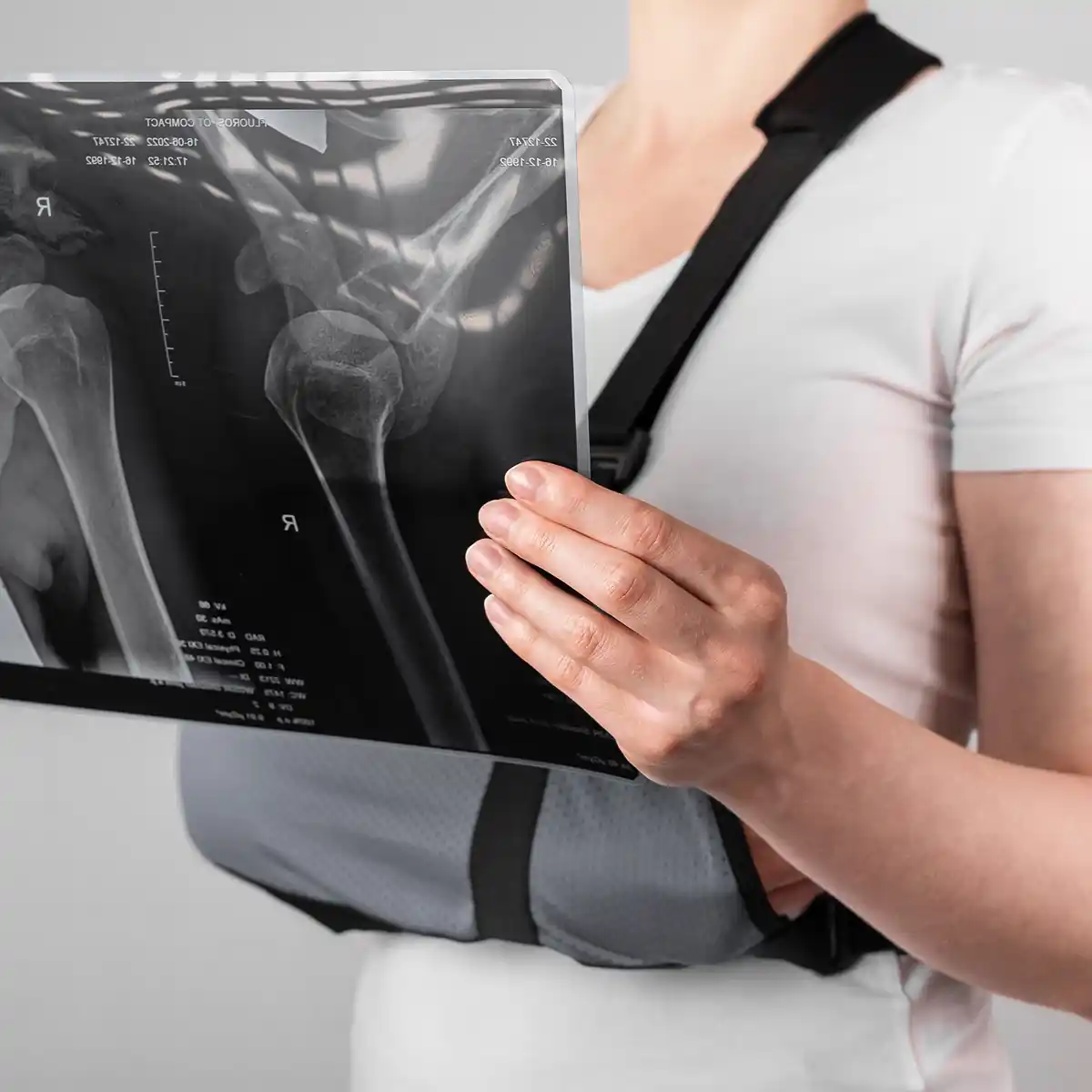
What is shoulder instability, and how is it treated?
Shoulder instability is a condition where the head of the upper arm bone (humerus) is not held securely within the shallow socket of the shoulder blade (glenoid). This can range from a subtle feeling of the joint slipping (subluxation) to a complete dislocation where the ball comes fully out of the socket. The primary cause is often a traumatic injury that tears the labrum — a ring of soft cartilage that deepens the socket — and stretches or tears the surrounding ligaments. Some people may also have naturally loose ligaments, making them more prone to instability without a major injury.
Initial shoulder instability treatment is typically non-surgical. This includes a period of rest, activity modification, and a dedicated physical therapy program to strengthen the rotator cuff and other muscles that help stabilize the shoulder. However, if dislocations become recurrent or if the feeling of instability persists despite therapy, surgery is often recommended to fix the underlying structural damage and prevent further dislocations and long-term joint damage.
What conditions can shoulder instability surgery treat?
Shoulder instability surgery is designed to address the specific anatomical problems that cause the joint to be unstable. The most common condition treated is traumatic, recurrent anterior instability, which occurs after an initial shoulder dislocation tears the labrum at the front of the socket (a Bankart lesion). The surgery, known as a Bankart repair, reattaches the torn labrum and tightens the stretched ligaments.
Surgery can also treat posterior instability (where the shoulder slips out the back) and multidirectional instability (where the shoulder is loose in multiple directions), although these are less common. It is also used to repair more complex injuries like a SLAP tear, where the tear involves the top of the labrum where the biceps tendon attaches. In cases with significant bone loss from repeated dislocations, a more complex procedure called a Latarjet may be performed, which transfers a piece of bone to the front of the socket to create a bony block against further dislocation.
How do I know if I need shoulder instability surgery?
The decision to undergo shoulder instability surgery is made in consultation with a shoulder instability doctor. You are likely a candidate for surgery if you have experienced multiple shoulder dislocations or subluxations. A key indicator is a persistent feeling of apprehension or instability—the fear that your shoulder will "give out" when you put your arm in certain positions, especially overhead. This often limits participation in sports and even simple daily activities.
If you have completed a comprehensive physical therapy program but still have a loose and unreliable shoulder, surgery is the most effective way to restore stability. A shoulder specialist will perform a physical shoulder instability test to assess the degree of looseness and will likely order an MRI or CT scan to get a detailed look at the labrum, ligaments, and bones to confirm the extent of the damage and plan the appropriate surgical repair.
What is the recovery process like after shoulder instability surgery?
Recovery from shoulder instability surgery is a gradual process that requires patience and commitment to rehabilitation. The primary goal in the early stages is to protect the surgical repair while the tissues heal. You will need to wear a sling for several weeks, often four to six, to keep the shoulder immobilized. During this time, you will begin a physical therapy program focused on gentle, passive range-of-motion exercises to prevent stiffness.
As the healing progresses, your physical therapy will advance to active range of motion and, eventually, a strengthening program to rebuild the muscles around the shoulder. The timeline can vary, but most patients can expect to return to light daily activities after a few weeks. A return to more strenuous activities, heavy lifting, and contact sports is typically delayed for four to six months to ensure the repair is strong and stable enough to withstand the stress.
How much does shoulder instability surgery cost?
The cost of shoulder instability surgery depends on the specific procedure performed (e.g., arthroscopic Bankart repair vs. open Latarjet procedure), your health insurance plan, and the facility charges. The total cost includes the fees for the orthopedic surgeon, the anesthesiologist, and the hospital or outpatient surgery center.
Because recurrent shoulder instability is a medical condition that causes significant functional impairment and can lead to further joint damage, the surgery is considered medically necessary. As such, it is typically covered by most health insurance plans, including Medicare. The financial staff at Mountainstate Orthopedic Associates can assist you in understanding your insurance benefits and can provide a detailed estimate of any potential out-of-pocket expenses before your surgery.
More Questions About How to Fix Shoulder Instability
Do I need a referral to see a shoulder instability specialist at MOA?
No, you do not need a referral to schedule an appointment with one of our shoulder specialists. We provide direct access to care, allowing you to get an expert evaluation for your shoulder problem without unnecessary delay.
How quickly can I schedule an appointment for shoulder instability surgery?
At Mountainstate Orthopedic Associates, we are committed to seeing patients in a timely manner. We can often schedule new patient appointments much more quickly than larger hospital systems, helping you find a solution for your unstable shoulder sooner.
What should I expect during a shoulder instability surgery consultation?
During your consultation, a fellowship-trained shoulder surgeon will conduct a thorough evaluation. They will discuss your history of instability, your symptoms, and your activity goals. A detailed physical exam will be performed, and your imaging studies (MRI or CT) will be reviewed. Your doctor will then explain the nature of your injury and discuss the surgical options to restore stability.
What are the risks of shoulder instability surgery?
Shoulder instability surgery is very successful, but like any surgical procedure, it carries some risks. These include infection, bleeding, nerve or blood vessel injury, and post-operative stiffness. The primary risk specific to this surgery is the possibility of recurrent instability, though this is uncommon after a successful repair. Our expert surgeons take meticulous care to minimize these risks and will discuss them with you thoroughly.