Ankle Ligament Tear Treatment in Morgantown, WV
Lasting Stability with Ankle Ligament Repair Surgery
A simple misstep or a twist during sports can lead to a sprained ankle, but what happens when the pain and instability don't go away? Chronic ankle instability, often caused by stretched or torn ligaments from previous injuries, can make you feel like your ankle is constantly giving way. This recurring problem can limit your activities and increase your risk for further damage, including arthritis. For those struggling with persistent ankle weakness, ankle ligament repair surgery offers a reliable solution to restore stability and confidence in every step.
Mountainstate Orthopedic Associates (MOA) has been a cornerstone of orthopedic excellence in Morgantown and North Central West Virginia since 1977. Our team of fellowship-trained orthopedic surgeons, including dedicated ankle specialists, provides personalized and compassionate care. We listen to our patients and build relationships to better understand their recovery goals. By partnering with the state-of-the-art facilities at Mon Health Medical Center, we offer advanced surgical treatments designed to get you back on your feet and moving towards a pain-free life.
If you are tired of living with an unstable ankle, our team is here to help. We are known for our ability to see patients faster than major health systems, providing prompt access to the specialized care you need. Contact us today to schedule your consultation.
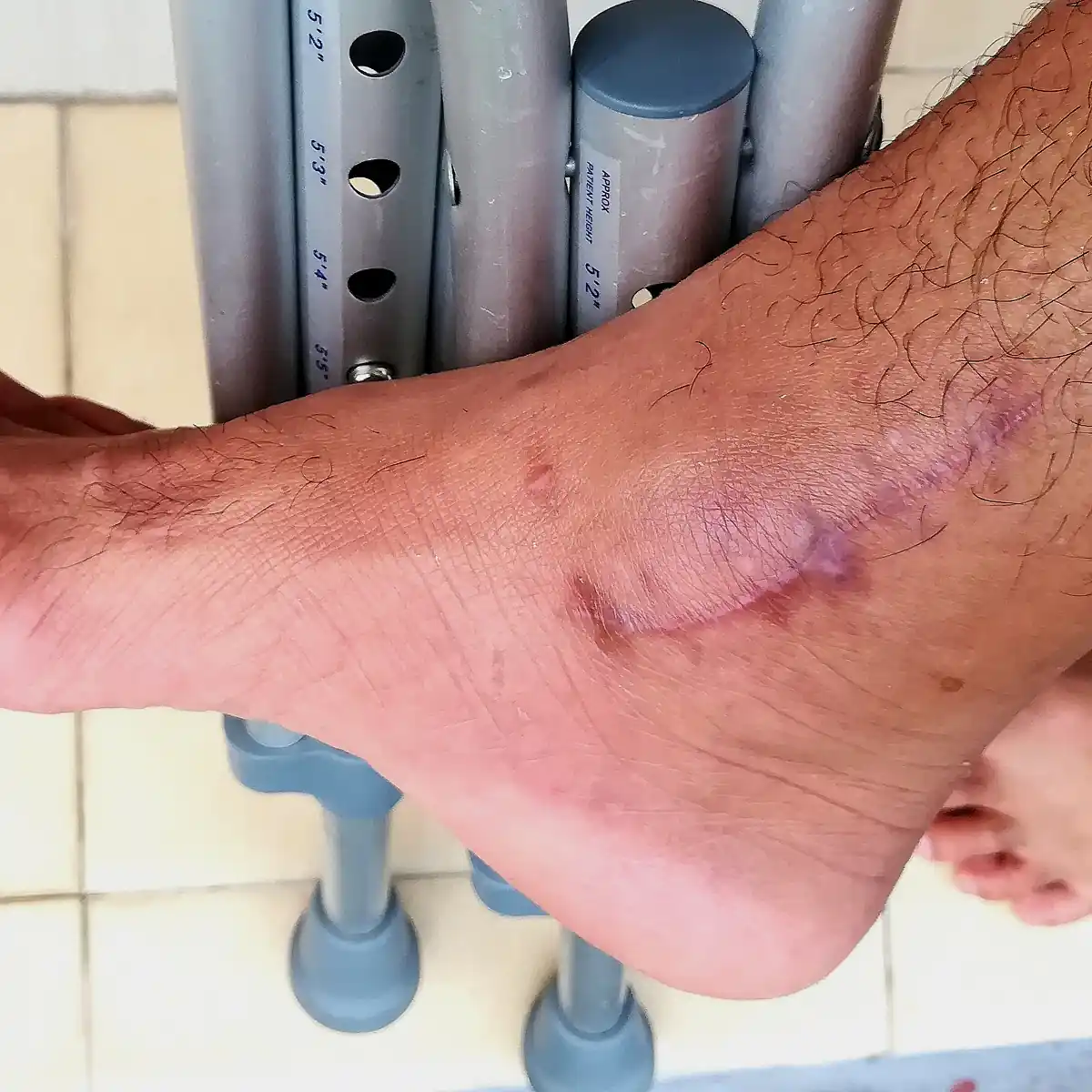
What is ankle ligament repair surgery, and how does it work?
Ankle ligament repair surgery is a procedure designed to tighten and reinforce the ligaments on the outside of the ankle that have become stretched or torn, leading to chronic instability. The most common technique, known as the Broström procedure, involves making an incision over the outer part of the ankle to access the damaged ligaments. Your surgeon will then shorten, tighten, and reattach the ligaments to the bone using sutures. In some cases, if the existing ligaments are too weak, the repair may be augmented with other tissues or synthetic materials to provide additional support. The goal is to restore the mechanical stability of the ankle joint, preventing it from repeatedly "giving out."
What are the symptoms of an ankle ligament tear?
An acute ankle ligament tear, or a severe sprain, typically causes immediate pain, swelling, and bruising on the outside of the ankle. You may have difficulty putting weight on your foot. For those with chronic instability from previous tears, the primary symptom is a recurring sensation of the ankle rolling or giving way, especially when walking on uneven ground or participating in sports. You might also experience persistent, though sometimes dull, pain or tenderness around the ankle, chronic swelling, and a general feeling of wobbliness or unsteadiness.
How do I know if I need ankle ligament repair surgery?
The decision to proceed with ankle ligament repair surgery is made after a thorough evaluation by an ankle orthopedic surgeon. Surgery is typically recommended for patients with chronic ankle instability who have not found relief after several months of non-surgical treatment. If you continue to experience repeated ankle sprains or a persistent feeling of instability despite completing physical therapy and using ankle braces, surgery may be the next logical step. Your surgeon will conduct a physical exam to test the laxity of your ligaments and may order an MRI to confirm the extent of the damage before recommending surgery.
What is the recovery process like after ankle ligament repair?
Recovery from ankle ligament repair surgery is a structured process focused on protecting the repair while gradually restoring function. Following the procedure, you will be in a splint or cast and will need to avoid putting weight on your ankle for several weeks. As healing begins, you will transition to a walking boot, slowly reintroducing weight. Physical therapy is essential and begins once your surgeon gives the okay. Therapy will focus on regaining your range of motion, improving balance, and strengthening the muscles around the ankle to provide dynamic support for the repaired ligaments. Full recovery and a return to high-impact sports can take several months, but your MOA team will guide you every step of the way.
Are there non-surgical options for ankle ligament tears?
Yes, most ankle ligament injuries are first treated with non-surgical methods. For an acute sprain, the initial treatment is RICE (Rest, Ice, Compression, Elevation). For chronic instability, the primary non-surgical treatment is a dedicated physical therapy program designed to strengthen the peroneal muscles, which help stabilize the ankle, and improve your balance (proprioception). Ankle braces or supportive footwear can also provide external support and prevent further sprains. These conservative measures are often successful, and surgery is typically reserved for cases where these treatments fail to provide adequate stability for a patient's desired activity level.
More Questions About Ankle Ligament Repair
Do I need a referral to see an ankle specialist at MOA?
No, you do not need a referral to schedule an appointment with one of our ankle specialists. We believe in providing direct and timely access to care, allowing you to see an expert as soon as your symptoms become a concern.
How quickly can I schedule an appointment for ankle ligament repair?
At Mountainstate Orthopedic Associates, we pride ourselves on our ability to schedule patients for consultations much faster than many larger health systems. If you're dealing with ankle instability, contact our office, and we will work to get you an appointment quickly.
What should I expect during an ankle ligament repair consultation?
During your consultation, an MOA ankle specialist will conduct a comprehensive evaluation. This includes discussing your history of ankle injuries, symptoms, and activity goals. They will perform a physical exam to check for ligament laxity and may review imaging studies like X-rays or an MRI. Your surgeon will then discuss all your treatment options and help you decide if ankle ligament repair is the right path for you.
What are the risks of ankle ligament repair surgery?
Like any surgical procedure, ankle ligament repair has potential risks, though they are uncommon. These can include infection, nerve irritation or damage leading to numbness or pain, blood clots, and stiffness in the ankle joint. There is also a small risk that the instability could return over time. Our experienced surgeons at MOA take every precaution to minimize these risks and will discuss them with you in detail before your procedure.