Effective Bunion Pain Treatment in Morgantown, WV
Lasting Relief with Bunionectomy Surgery
The painful, bony bump that forms at the base of your big toe can make wearing shoes and even walking a daily challenge. A bunion is more than just a cosmetic issue; it's a structural foot deformity that can cause significant pain, inflammation, and stiffness, preventing you from living an active life. When conservative measures like changing footwear or using pads no longer provide relief, finding a permanent solution becomes a priority. A bunionectomy, or bunion removal surgery, is a proven procedure that corrects the underlying deformity to relieve pain and restore proper foot alignment.
Since 1977, Mountainstate Orthopedic Associates (MOA) has been the trusted choice for expert orthopedic care in Morgantown and North Central West Virginia. Our fellowship-trained foot and ankle specialists are dedicated to building personal relationships with each patient, listening to your concerns and developing a treatment plan that fits your lifestyle. We perform advanced procedures like bunionectomies at the state-of-the-art Mon Health Medical Center, combining our extensive experience with modern surgical techniques to help you walk away from bunion pain for good.
You don't have to live with the discomfort of a bunion. At MOA, we pride ourselves on offering faster access to specialized care than major health systems. Contact us today to schedule your consultation with a bunion doctor near you.
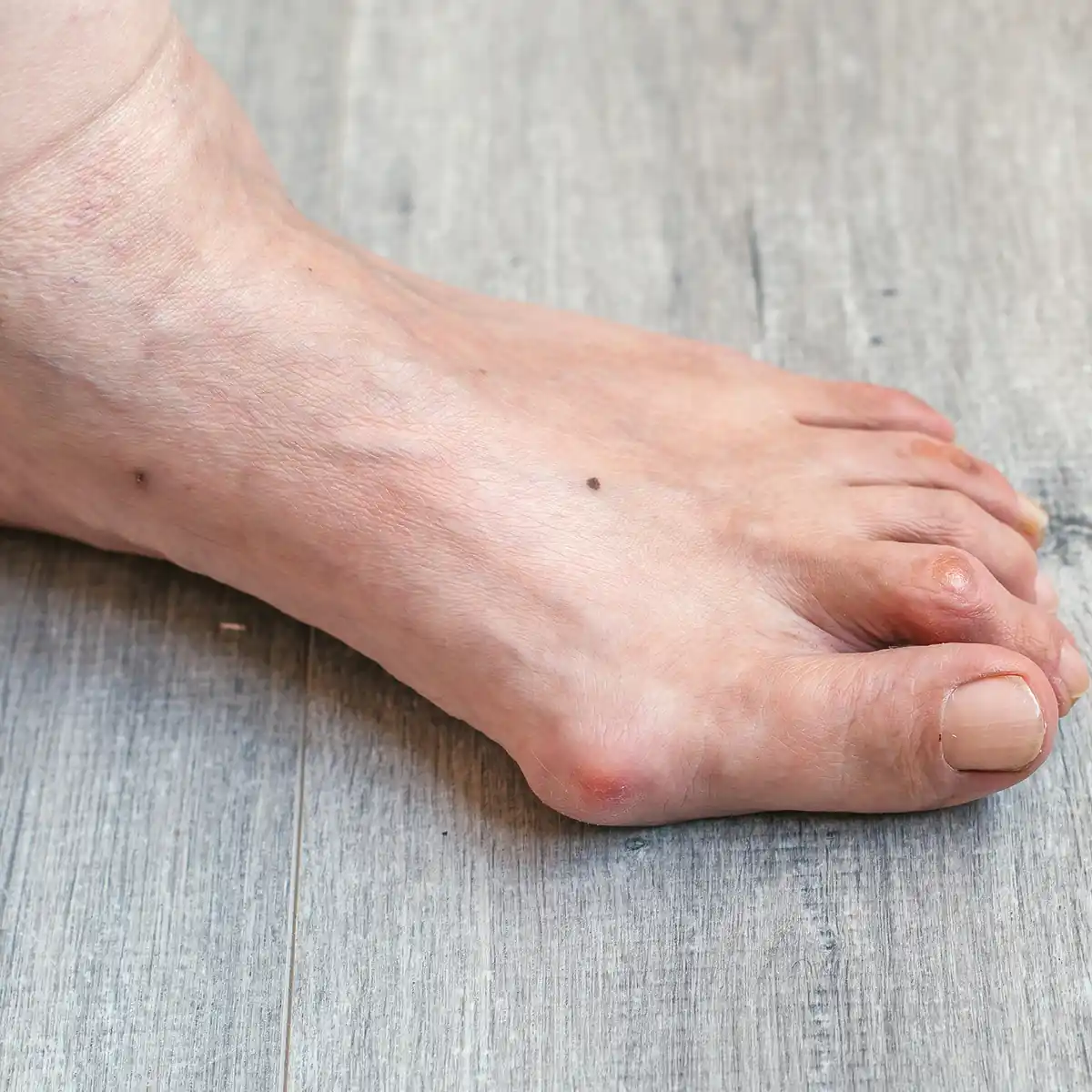
What is a bunionectomy, and how does it work?
A bunionectomy is a surgical procedure to remove a bunion and correct the associated deformity of the big toe joint. The primary goal is to relieve pain and improve the alignment of the foot, allowing you to walk and wear shoes more comfortably. There are over 100 different types of bunionectomy procedures, and the one your surgeon chooses will depend on the severity of your bunion, your age, and your activity level. Most procedures involve making an incision along the foot, removing the bony bump, and realigning the metatarsal bone of the big toe. This may involve cutting and repositioning the bone (an osteotomy) and releasing or tightening ligaments and tendons to restore the joint's normal position.
What are the symptoms of a bunion?
The most obvious symptom of a bunion is a visible, bony bump on the inside of the foot at the base of the big toe. This bump can become red, swollen, and tender. Other common bunion symptoms include pain over the joint, which can be persistent or intermittent, and stiffness that makes it difficult to bend your big toe. The big toe may start to drift toward the smaller toes, sometimes even crossing over or under the second toe. This misalignment can cause corns or calluses to develop where the toes rub against each other or against your shoes. Finding shoes that fit comfortably can become increasingly difficult as the bunion progresses.
How do I know if I need bunion surgery?
The decision to have a bunionectomy is a personal one, typically made when bunion pain significantly interferes with your daily activities. Surgery is usually recommended after non-surgical treatments have failed to provide adequate relief. If you have tried wider shoes, padding, custom orthotics, and pain relievers but still experience pain that limits your ability to walk, work, or enjoy your hobbies, you may be a candidate for surgery. An orthopedic foot specialist will conduct a full evaluation, including a physical exam and X-rays, to assess the extent of the deformity and help you decide if a bunionectomy is the right choice for you.
What is the recovery process like after a bunionectomy?
Recovery from a bunionectomy varies depending on the specific procedure performed. After surgery, your foot will be bandaged, and you will likely wear a special surgical shoe or boot to protect it. For several weeks, you may need to limit how much weight you put on the foot, often using crutches for support. Swelling is common and can persist for several months. Your surgeon will provide a detailed post-operative plan, which will include instructions for elevation and icing. Once the initial healing is complete, physical therapy may be recommended to help restore strength and range of motion to your foot. Most patients can return to regular activities within a few months, but it may take longer to get back to high-impact sports.
Are there non-surgical options for bunion pain?
Yes, there are several non-surgical treatments that can help manage bunion pain and slow the progression of the deformity. These conservative options are always the first line of defense. They include choosing shoes with a wide toe box to reduce pressure on the bunion, using over-the-counter bunion pads to cushion the area, and wearing custom or pre-fabricated orthotics to support the foot and improve its alignment. Applying ice packs can help reduce inflammation and pain after a long day on your feet. While these methods can provide significant relief, it's important to remember they will not reverse the bunion itself.
More Questions About Bunion Surgery
Do I need a referral to see a bunion specialist at MOA?
No, you do not need a referral to schedule an appointment with one of our foot and ankle specialists. We believe in providing direct, easy access to care so you can get an expert opinion on your bunion without delay.
How quickly can I schedule an appointment for a bunionectomy?
At Mountainstate Orthopedic Associates, we can often schedule consultations much more quickly than larger hospital systems. We understand that foot pain can be debilitating, and we strive to get you in to see a specialist as soon as possible.
What should I expect during a bunionectomy consultation?
During your consultation, an MOA orthopedic specialist will take a full medical history, discuss your symptoms, and ask about how the bunion affects your daily life. They will perform a physical examination of your foot and take X-rays to determine the severity of the deformity. This allows them to recommend the best treatment plan—surgical or non-surgical—for your specific needs.
What are the risks of bunionectomy surgery?
While bunionectomy is a safe and effective procedure, it carries the same general risks as any surgery, including infection, blood clots, and complications from anesthesia. Specific risks include the potential for nerve damage, delayed healing, or stiffness in the toe joint. There is also a small chance the bunion could recur over time. Our experienced surgeons take meticulous care to minimize these risks and will discuss them with you thoroughly.