Key Takeaways
- Tennis elbow can improve without surgery, but healing is often slower and more complicated than patients expect.
- The condition develops from repeated tendon overuse, so it heals gradually as damaged tissue slowly repairs itself.
- Recovery time varies based on how long symptoms went on before treatment started, activity level, and how consistently self-care steps are followed.
- Rest, activity modification, ice, and bracing may help mild cases, but skipping these steps can prolong symptoms.
- Pain that is getting worse instead of better, or that does not improve after several weeks of self-care, is a sign professional treatment is needed.
- Mountainstate Orthopedic Associates helps patients across Morgantown and North Central West Virginia understand their treatment options for tennis elbow at every stage. Request an appointment if your symptoms are not improving.
How Tennis Elbow Develops and Why It Heals Slowly
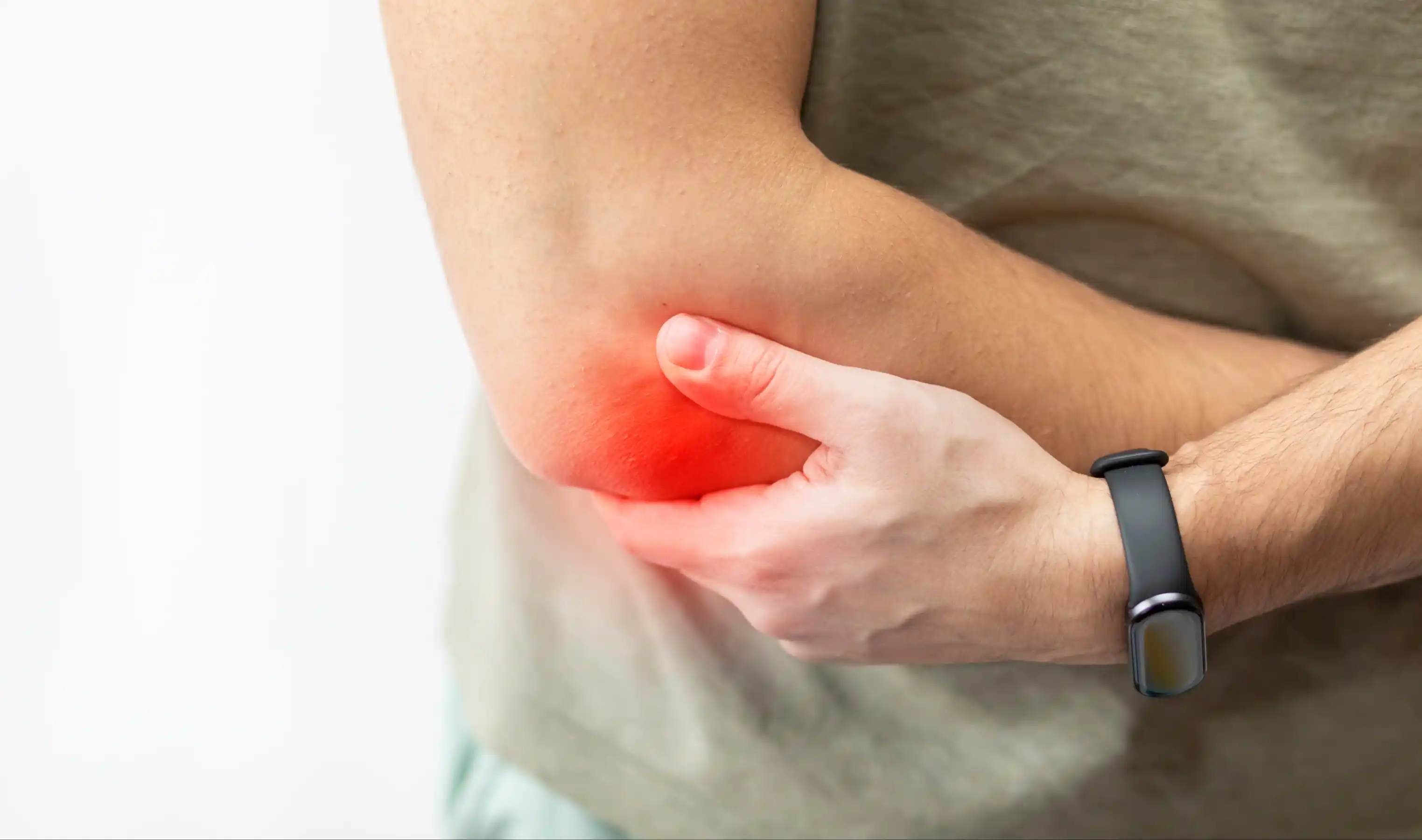
Tennis elbow, or lateral epicondylitis, does not usually result from a single injury. Instead, it develops gradually as the tendons that attach forearm muscles to the outside of the elbow are damaged by repeated stress. According to the American Academy of Orthopaedic Surgeons (AAOS), the forearm muscles and tendons become damaged from repeating the same motions again and again, which leads to pain and tenderness around the elbow.
This gradual, overuse-based origin is exactly why tennis elbow tends to heal more slowly than a typical strain or sprain. Tendons have a limited blood supply compared to muscle, which means they simply repair themselves at a slower pace. Add in the fact that many patients continue using the affected arm for work or daily tasks throughout the healing process, and it becomes clear why tennis elbow can linger for months if not properly managed.
Factors That Influence Natural Recovery Time
Several factors affect how quickly, or how slowly, tennis elbow resolves without surgical intervention:
- Duration of symptoms before treatment begins. Tennis elbow caught early, while pain is still mild, tends to respond faster to self-care than a case that has been ongoing for months.
- Activity level during recovery. Continuing the same gripping, lifting, or twisting motions that caused the problem can prevent the tendon from healing, even with other self-care steps in place.
- Occupational demands. Jobs that require repetitive forearm use, such as construction, painting, or manual labor, can slow recovery unless activity is modified.
- Consistency with self-care. Skipping rest, ice, or bracing on days when pain feels better can undo progress and extend the overall timeline.
- Age and general tendon health. Tendon healing capacity can vary from person to person, which is part of why recovery timelines differ so widely between patients.
Self-Care Steps That May Help Mild Cases
For tennis elbow caught early, several conservative steps may help symptoms improve:
- Rest and activity modification. Reducing or temporarily avoiding the gripping, lifting, or twisting motions that trigger pain gives the tendon a chance to heal.
- Ice. Applying ice to the outside of the elbow for short periods can help reduce pain and inflammation, particularly after activity.
- Bracing. A counterforce brace worn over the forearm can help redistribute stress away from the injured tendon during daily activities.
- Over-the-counter pain relief. Anti-inflammatory medication may help manage discomfort, though it should be used as directed and discussed with a physician if needed long-term.
- Gentle stretching. The AAOS offers a therapeutic exercise program for epicondylitis designed to stretch and strengthen the muscles attached to the injured tendon, which can support recovery when performed under a doctor's or therapist's guidance.
Mild Case vs. Case That Needs Professional Treatment
| Sign | Mild Case, Self-Care May Help | Needs Professional Evaluation |
|---|---|---|
| Duration of symptoms | Days to a few weeks | Several weeks to months with no improvement |
| Pain trend | Stable or gradually improving | Getting worse over time |
| Grip strength | Mostly normal | Noticeably weaker |
| Impact on daily life | Minor, occasional discomfort | Interferes with work, hobbies, or sleep |
| Response to rest and bracing | Some improvement noticed | Little to no improvement |
Warning Signs That Symptoms Are Getting Worse, Not Better
While many cases of tennis elbow do improve with conservative care, certain signs suggest the condition is progressing rather than healing:
- Pain that continues to intensify despite rest, ice, and bracing.
- A grip that feels weaker over time rather than stronger.
- Pain that begins interfering with sleep.
- Discomfort that starts limiting basic tasks, like carrying items or typing.
- Symptoms that briefly improve, then return just as strong once activity resumes.
When to Consider a Professional Evaluation
If self-care measures have been followed consistently for several weeks without meaningful improvement, or if any of the warning signs above are present, it is time to see an orthopedic specialist. A thorough evaluation can confirm the diagnosis, rule out other causes of elbow pain, and determine whether additional treatments, such as physical therapy, injections, or in persistent cases, surgery, are appropriate.
Don't Let Tennis Elbow Linger
Tennis elbow can heal without surgery, but the timeline depends heavily on catching it early and following through on the right self-care steps. If your symptoms are not improving, or if they are getting worse instead of better, waiting longer is unlikely to help.
Mountainstate Orthopedic Associates' fellowship-trained specialists can evaluate your tennis elbow, confirm what stage it is at, and recommend the treatment path most likely to get you back to pain-free movement. Request an appointment with MOA in Morgantown, WV to get a clear plan for recovery.
Frequently Asked Questions
Can tennis elbow heal on its own?
Many mild cases of tennis elbow do improve with rest, activity modification, ice, and bracing. However, healing is often slower than expected, and cases that are ignored or continually aggravated can persist for months or worsen over time.
How long does tennis elbow usually last?
Recovery time varies widely depending on how early treatment begins and how consistently self-care steps are followed. Mild cases may improve within several weeks, while more established cases can take months to resolve without treatment.
What is the best home treatment for tennis elbow?
Rest from aggravating activities, ice applied to the outer elbow, a counterforce brace, and gentle stretching exercises are commonly recommended self-care steps for mild tennis elbow symptoms.
How do I know if I need to see a tennis elbow specialist near me?
If symptoms have not improved after several weeks of consistent self-care, or if pain is worsening, your grip is weakening, or daily activities are becoming difficult, it is time for a professional evaluation.
Does ignoring tennis elbow make it worse?
Continuing the same repetitive motions that caused tennis elbow without modifying activity can prevent the tendon from healing and may allow the condition to progress, making eventual treatment more involved.
