Key Takeaways
- Bunion surgery is usually considered only when the bunion is painful and simpler treatments have not given enough relief.
- Specialists judge severity by looking at pain, swelling, stiffness, how far the big toe has shifted, and X-ray findings.
- Wider shoes, padding, shoe inserts, and anti-inflammatory medicine are the usual first steps.
- Surgery may be the better choice when pain limits walking, the toe is drifting or crossing, and footwear changes have failed.
- A bunion that does not hurt does not need surgery, and surgery is not done only for looks.
- Mountainstate Orthopedic Associates (MOA) helps Morgantown, WV patients weigh bunion treatment options, so request an appointment to talk through yours.
How Bunion Severity Is Typically Assessed
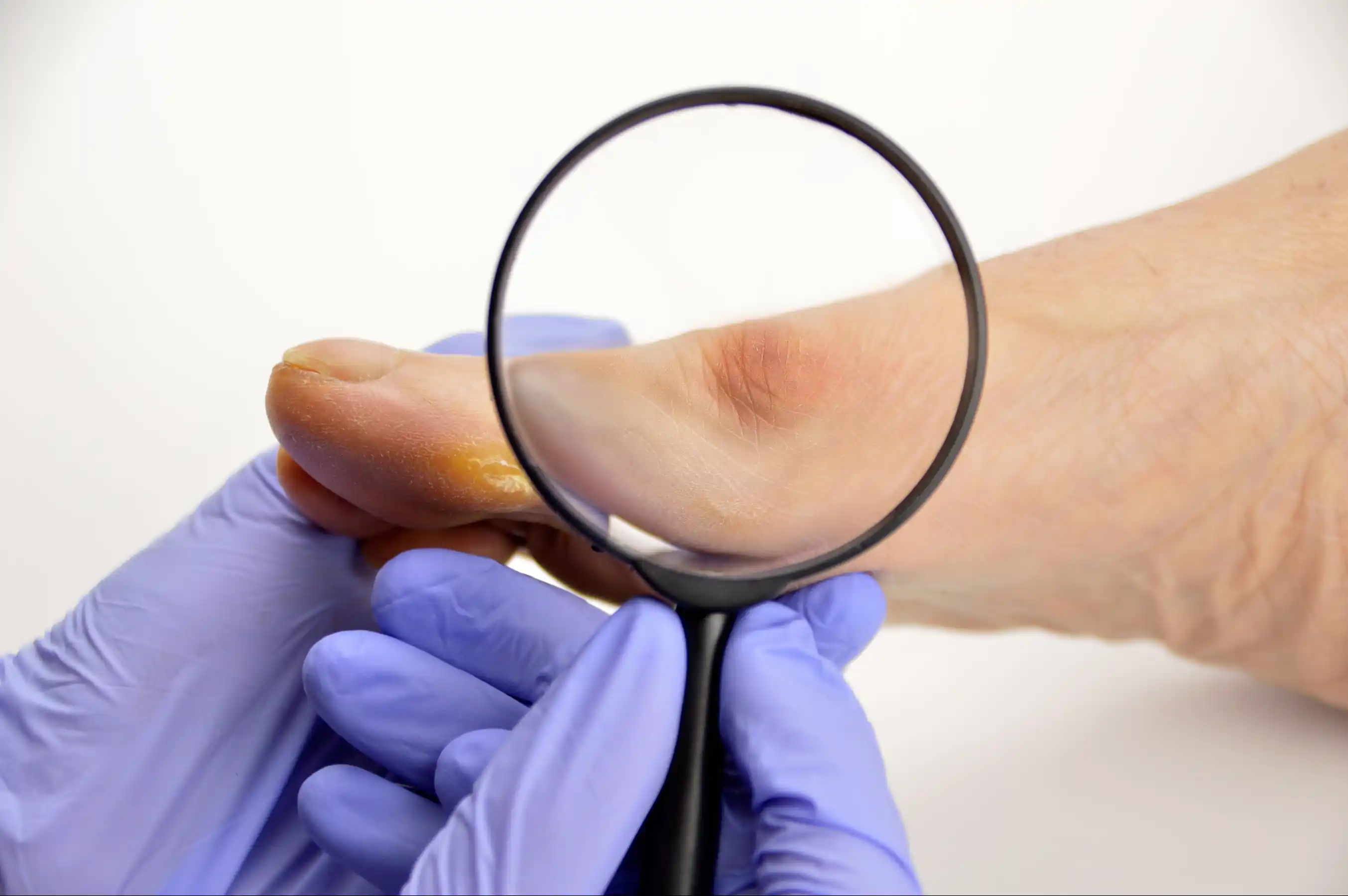
Deciding whether a bunion needs surgery starts with a clear picture of how severe it is. A foot and ankle specialist looks at more than the size of the bump.
A typical evaluation includes:
- Your story. How long the bunion has bothered you, what makes it worse, and what you have already tried.
- A physical exam. The specialist checks the bump, the position of the big toe, and how well the joint moves.
- X-rays. According to the American Academy of Orthopaedic Surgeons (AAOS), X-rays taken while standing show how far the bones are out of alignment, whether arthritis is present, and how best to correct the bunion.
Together, these steps help sort mild bunions from severe ones and guide the next move.
The Role of Pain, Swelling, and Deformity Progression
Three things matter most when deciding what to do next.
Pain
Pain is the main reason to consider surgery. AAOS advises that you should only consider surgery for a bunion that is painful. A bunion that looks bad but does not hurt can usually be watched.
Swelling and Inflammation
Redness and swelling over the joint that does not improve with rest or medicine point to ongoing irritation. When this keeps returning, it is a sign the joint is under steady stress.
Deformity Progression
Bunions tend to get worse slowly. The big toe may lean further toward the second toe and eventually cross over or under it. This can push the smaller toes out of place and cause calluses. Watching how fast this change happens helps your specialist plan.
What Conservative Treatments Are Tried Before Surgery
Nearly everyone starts with non-surgical care. AAOS states that most people with bunions find pain relief with simple treatments that reduce pressure on the big toe. Common options include:
- Shoes with a wide, roomy toe box.
- Cushioning pads worn inside the shoe.
- Over-the-counter or custom shoe inserts, called orthotics.
- Toe spacers between the toes.
- Ice and anti-inflammatory medicine such as ibuprofen.
- A night splint, which may ease pain.
These steps can lower pain and may keep a bunion from getting worse. AAOS is clear, however, that they cannot actually reverse a bunion, and braces or splints have not been shown to permanently fix one. Because of this, the goal of non-surgical care is comfort, not correction.
Signs That Surgery May Be the More Effective Option
AAOS describes good candidates for bunion surgery as people who commonly have:
- Significant foot pain that limits everyday activities, such as trouble walking more than a few blocks even in athletic shoes.
- Chronic big toe swelling that does not improve with rest or medicine.
- A big toe drifting toward the smaller toes, sometimes crossing over them.
- A stiff big toe that is hard to bend and straighten.
- No pain relief from shoe changes or anti-inflammatory medicine.
If several of these sound familiar, a surgical consultation is a reasonable next step. It does not commit you to an operation. MOA's bunionectomy page describes this procedure, which realigns the toe joint to relieve pain.
Conservative Care vs. Surgery: A Quick Comparison
| Factor | Non-Surgical Care Often Fits | Surgery May Be Worth Discussing |
|---|---|---|
| Pain level | Mild or only in certain shoes | Limits walking and daily activity |
| Response to shoe changes | Pain improves | Little or no relief |
| Toe position | Slight lean | Drifting, crowding, or crossing |
| Swelling | Settles with rest | Chronic and does not improve |
| Joint motion | Moves freely | Stiff or hard to bend |
| Main goal | Comfort and slowing progression | Pain relief and realignment |
What to Discuss With a Foot and Ankle Specialist
Bring questions to your visit. It helps to ask:
- How severe is my bunion based on my X-rays?
- Which non-surgical options are still worth trying?
- What type of surgery would you recommend, and why?
- What are the risks, and how long is recovery?
- How will my activity level and job affect my choices?
- What will my insurance cover, and what might I owe?
Cost is a common concern. The total depends on the type of procedure, anesthesia, facility fees, and your insurance plan. MOA accepts most major insurance plans, and its staff can answer coverage questions before you decide.
AAOS also stresses realistic expectations. Bunion surgery should not be done for cosmetic reasons, and it may not allow you to wear narrow, pointed shoes afterward.
Talk Through Your Bunion Treatment Options in Morgantown
You do not need to decide alone, and you do not need to decide today. MOA's fellowship-trained foot and ankle specialists will review your symptoms and X-rays, explain your treatment options, and tell you honestly whether surgery makes sense.
Request an appointment with Mountainstate Orthopedic Associates to find out where your bunion stands, whether you are in Morgantown or nearby in North Central West Virginia. You can also review MOA's full range of foot and ankle surgery services.
Frequently Asked Questions
Do I need bunion surgery?
Only if your bunion is painful and simpler treatments have not helped enough. A bunion that does not hurt generally does not need surgery.
What are the bunion treatment options?
Options include wider shoes, padding, orthotics, toe spacers, and anti-inflammatory medicine. If pain continues, surgery to realign the toe may be considered.
When is bunion surgery necessary?
It becomes worth considering when pain limits walking, the toe is drifting or stiff, and footwear changes and medicine no longer help.
How much does bunion surgery cost?
Cost depends on the procedure, anesthesia, facility fees, and insurance. MOA accepts most major plans, and its staff can help you understand coverage.
Where can I find a bunionectomy specialist near me in Morgantown, WV?
MOA's foot and ankle specialists offer bunionectomy care in Morgantown, and no referral is needed to schedule a visit.
