Key Takeaways
- A bucket-handle meniscus tear is a large tear in the knee's cushioning cartilage where a flap flips toward the center of the joint.
- That flap can get stuck and block motion, so a classic sign is a knee that locks or will not fully straighten.
- Most bucket-handle tears do not heal on their own, and surgery to put the flap back and stitch it is the most common treatment.
- Recovery after a meniscus repair takes longer than after trimming a tear, with a full return to sports often taking four to six months.
- Mountainstate Orthopedic Associates is an experienced provider of knee and sports medicine care in Morgantown and North Central West Virginia, and you can request an appointment to have a locked or painful knee checked.
What Is a Bucket-Handle Meniscus Tear?
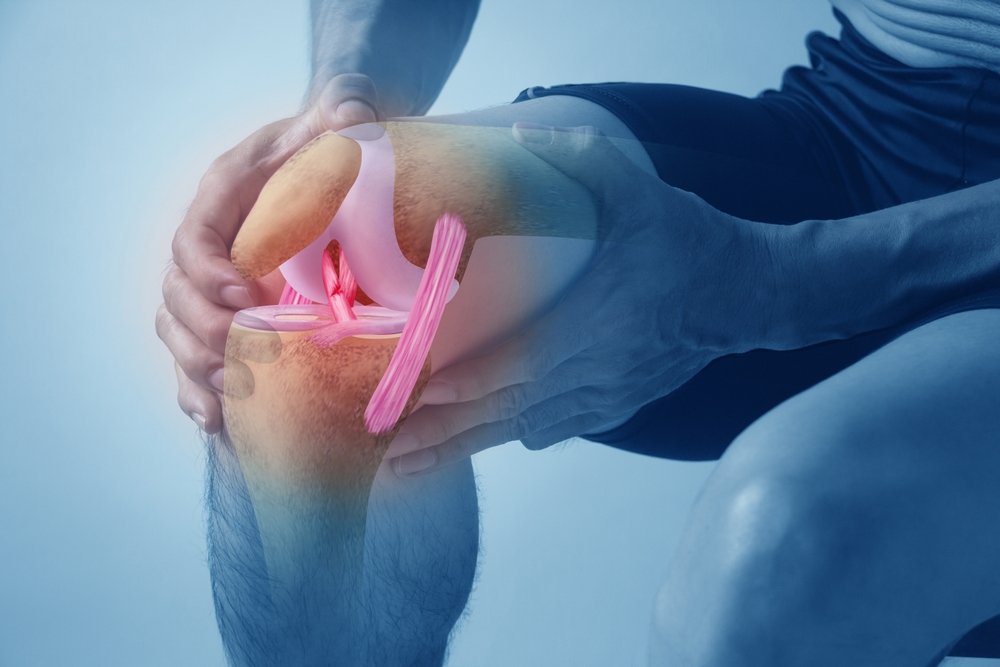
Each knee has two menisci. These are C-shaped pads of tough cartilage that sit between your thigh bone and shin bone. The American Academy of Orthopaedic Surgeons (AAOS) guide to meniscus tears describes them as shock absorbers that also help keep the knee stable.
In a bucket-handle tear, the meniscus splits along its length. The inner piece flips toward the middle of the knee while both ends stay attached. The loose strip looks like the handle on a bucket.
How Common Are Bucket-Handle Tears?
According to Cleveland Clinic's overview of bucket-handle meniscus tears, these tears make up about 10% of all meniscus tears. They are more common in young males and happen more often in the medial meniscus, the one on the inner side of the knee.
Bucket-Handle Meniscus Tear Symptoms
Common signs include:
- A knee that locks or catches, or feels like it cannot move
- Trouble fully straightening the leg
- A pop at the moment of injury
- Pain, stiffness, and swelling that build over the next two to three days
- A feeling that the knee is giving way
Why a Locked Knee Is a Key Warning Sign
When the torn flap flips into the middle of the joint, it can wedge between the bones. This can stop the knee from straightening. The Mayo Clinic's page on torn meniscus symptoms advises seeing a doctor if your knee is painful, swollen, or will not move the way it normally does.
What Causes a Bucket-Handle Tear?
Most of these tears happen when the knee twists or turns suddenly while the foot is planted. Risk is higher for people who play sports with pivoting, such as football, basketball, or tennis. In West Virginia, a bad step while hiking, a sharp cut in a rec league game, or a twist while getting off a tractor can do it.
Older adults can tear a meniscus with less force because the cartilage weakens with age. Mayo Clinic notes that kneeling, deep squatting, and lifting something heavy can also lead to tears.
The Link Between Meniscus Tears and ACL Injuries
A torn meniscus makes the knee less stable. Cleveland Clinic explains that this can raise your chance of another knee injury, such as an anterior cruciate ligament (ACL) tear. The ACL is a key ligament in the middle of the knee.
How Mountainstate Orthopedic Associates Diagnoses a Meniscus Tear
At Mountainstate Orthopedic Associates (MOA), a knee specialist will ask how the injury happened and examine your knee. One common check is the McMurray test, which bends, straightens, and turns the knee to look for signs of a tear.
- X-rays cannot show a meniscus tear, but they can rule out other problems, such as arthritis.
- Magnetic resonance imaging (MRI), a scan that shows soft tissue, is the preferred way to diagnose an acute tear.
Meniscus Repair vs. Partial Meniscectomy
Bucket-handle tears usually need surgery because the displaced flap tends to stay stuck. Mountainstate Orthopedic Associates treats them through MOA's knee arthroscopy services. Arthroscopy is a minimally invasive surgery done through small cuts with a tiny camera. As part of MOA's meniscal surgery services, the surgeon chooses one of two main approaches based on the tear's type, location, and size.
| Factor | Meniscus Repair | Partial Meniscectomy |
|---|---|---|
| What it does | Sews the torn edges together with stitches or anchors so they can heal | Trims away the torn, unstable piece and leaves a smooth rim |
| Weight on the leg | Crutches and limited weight for several weeks; a brace may be used | Weight on the leg right away, with crutches for a few days |
| Daily activities | Longer, more gradual rehab | Most people return within a few weeks |
| Return to sports | Often four to six months | Usually within one to two months |
Why Blood Supply Matters for Repair
The AAOS explains that the outer third of the meniscus, called the red zone, has a good blood supply and can often be repaired. The inner two-thirds, the white zone, has less blood flow. Tears there are more often trimmed. Cleveland Clinic notes that bucket-handle tears often respond well to repair because they usually have a good blood supply.
Knee Specialists at Mountainstate Orthopedic Associates
Sports medicine surgeons Dr. Chad J. Micucci and Dr. Gregory Purnell focus on arthroscopy and knee care as part of MOA's sports medicine and arthroscopy services. They can explain which option fits your tear, your knee, and your goals.
Recovering From Bucket-Handle Meniscus Surgery
Recovery depends on the type of surgery. After a repair, physical therapy is a key part of healing. Rehab starts gently and builds over time to restore strength, motion, and balance.
Helpful tips:
- Follow weight-bearing and brace rules closely to protect the repair.
- Do your home exercises between therapy visits.
- Do not return to cutting or pivoting sports until your surgeon clears you.
Get a Locked Knee Evaluated in Morgantown, WV
A bucket-handle meniscus tear can lock your knee and usually will not heal by itself. Mountainstate Orthopedic Associates can find the cause of your knee symptoms and talk you through repair or other options.
If your knee catches, locks, or will not straighten, schedule a visit with Mountainstate Orthopedic Associates about meniscal surgery and meniscus tear treatment. Request an appointment with Mountainstate Orthopedic Associates today.
Frequently Asked Questions
Can a Bucket-Handle Meniscus Tear Heal on Its Own?
Usually not. Cleveland Clinic notes that most bucket-handle tears do not heal on their own because the displaced piece often stays stuck in the knee.
Is a Locked Knee an Emergency?
A knee that locks or will not straighten should be checked by a doctor soon. A trapped flap of meniscus is one possible cause.
Can You Walk With a Bucket-Handle Meniscus Tear?
Some people can walk, but they may limp or feel the knee catch or give way. Walking may be hard if the knee is locked.
How Long Is Recovery After Meniscus Repair Surgery?
Expect crutches and limited weight for several weeks. A full return to sports often takes four to six months.
Where Can I Find a Knee Specialist Near Me in Morgantown, WV?
Mountainstate Orthopedic Associates has offices in Morgantown, Bridgeport, and Fairmont. You can see a knee specialist without a referral.
